
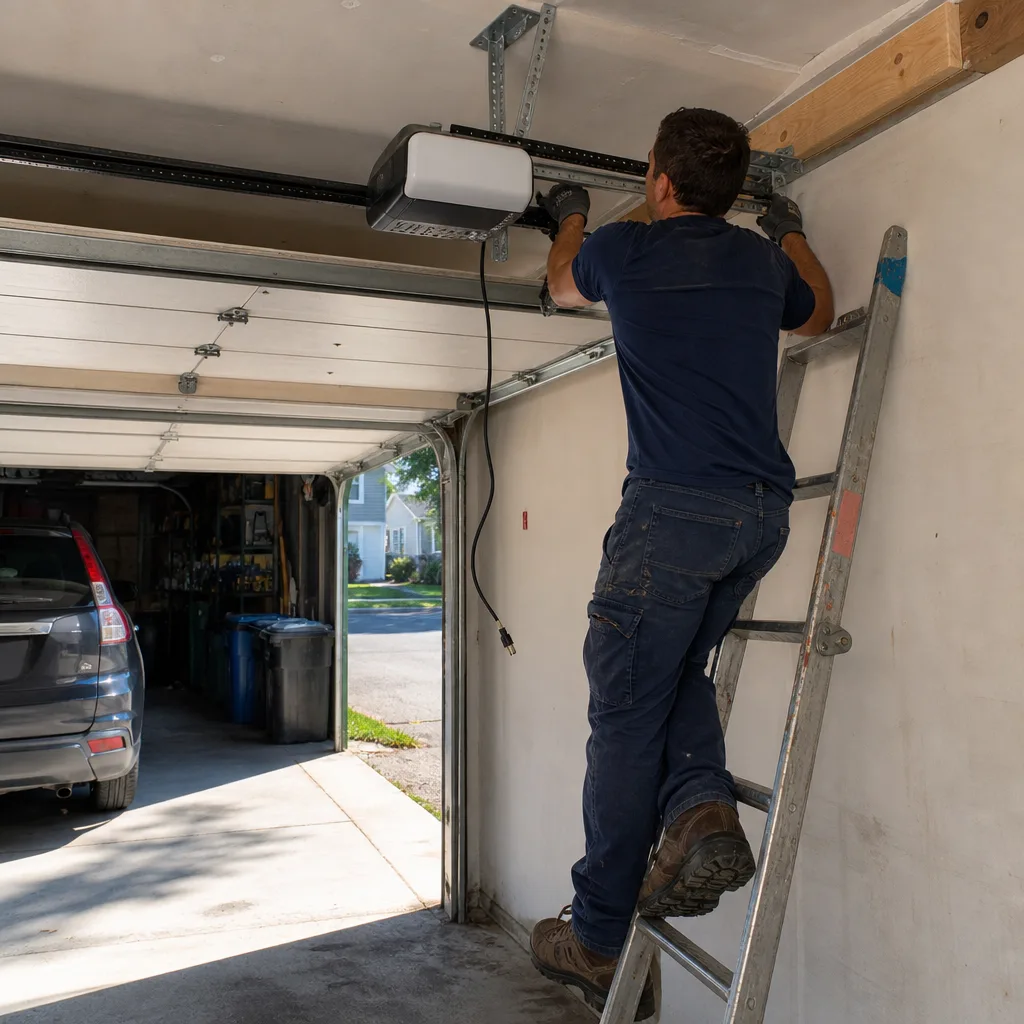
Last updated November 15, 2026
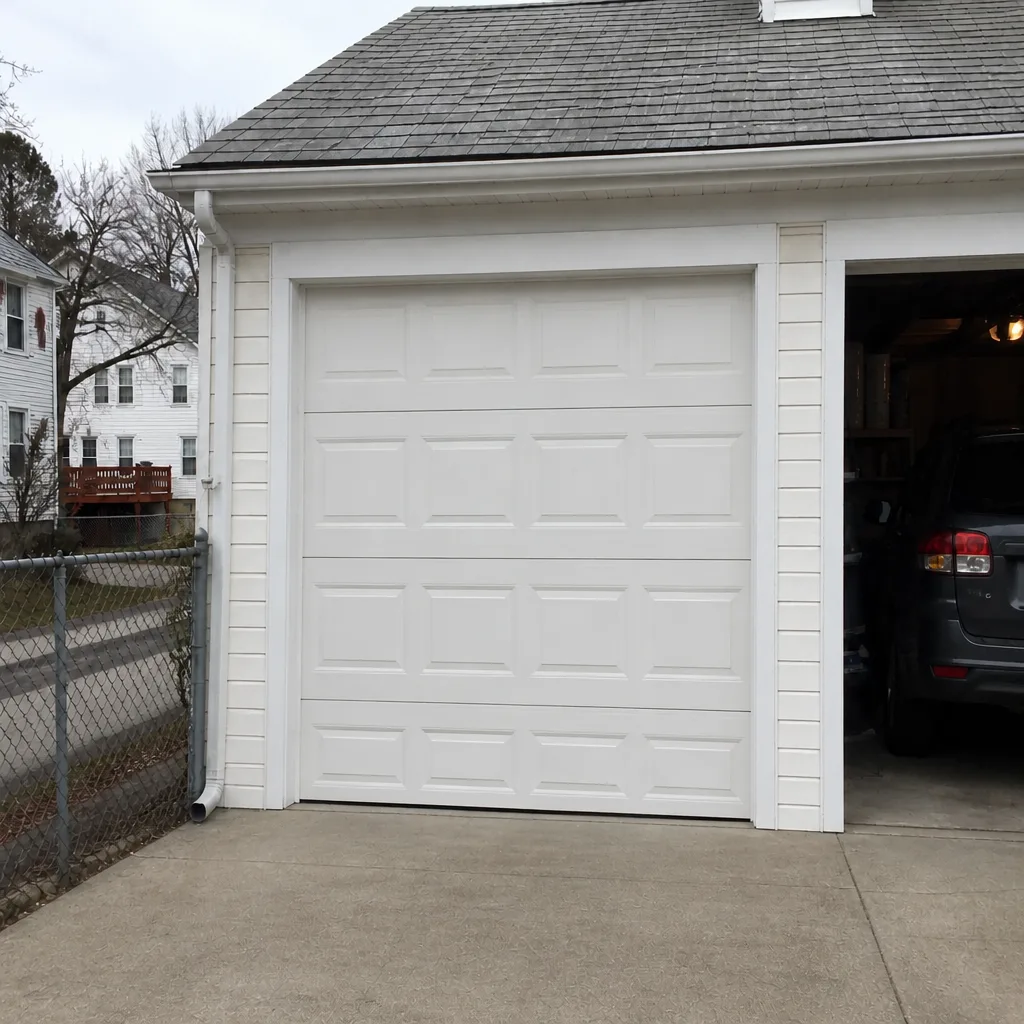
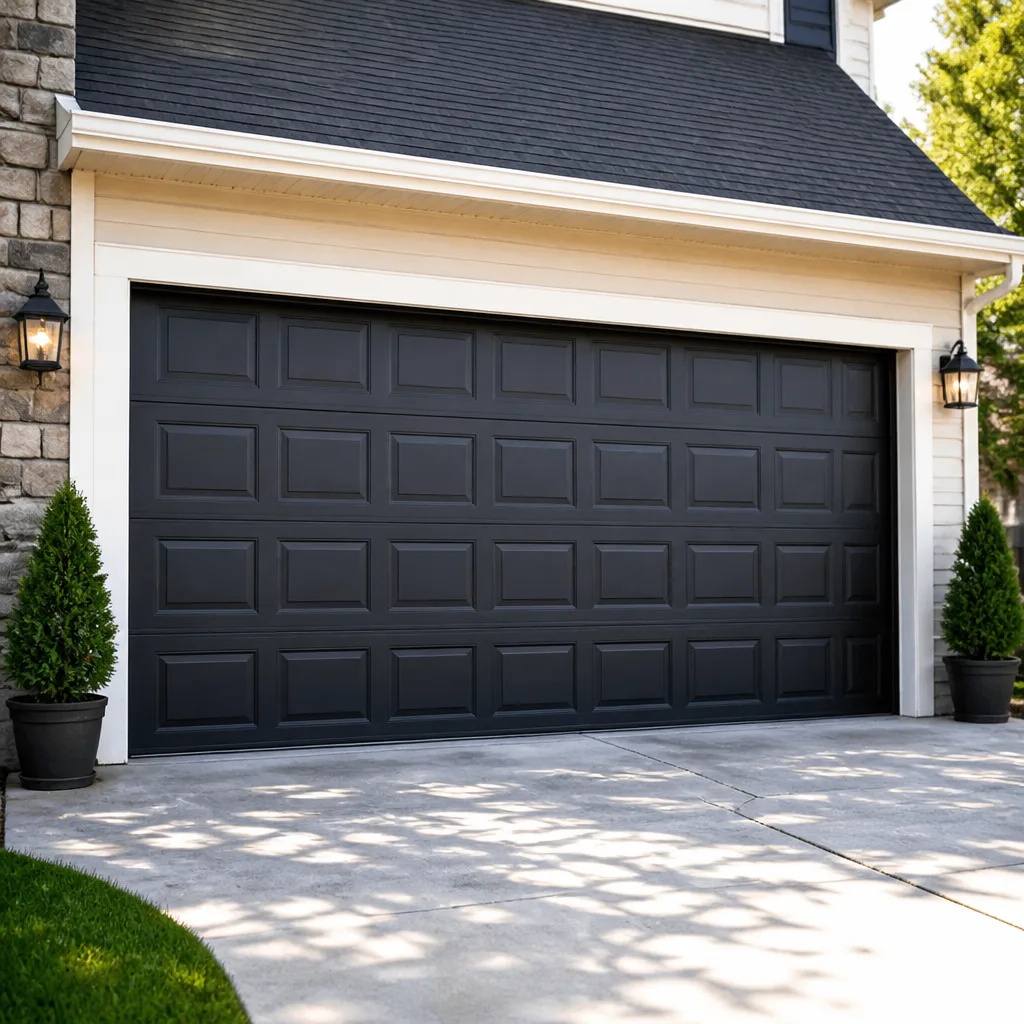 Raised-panel steel
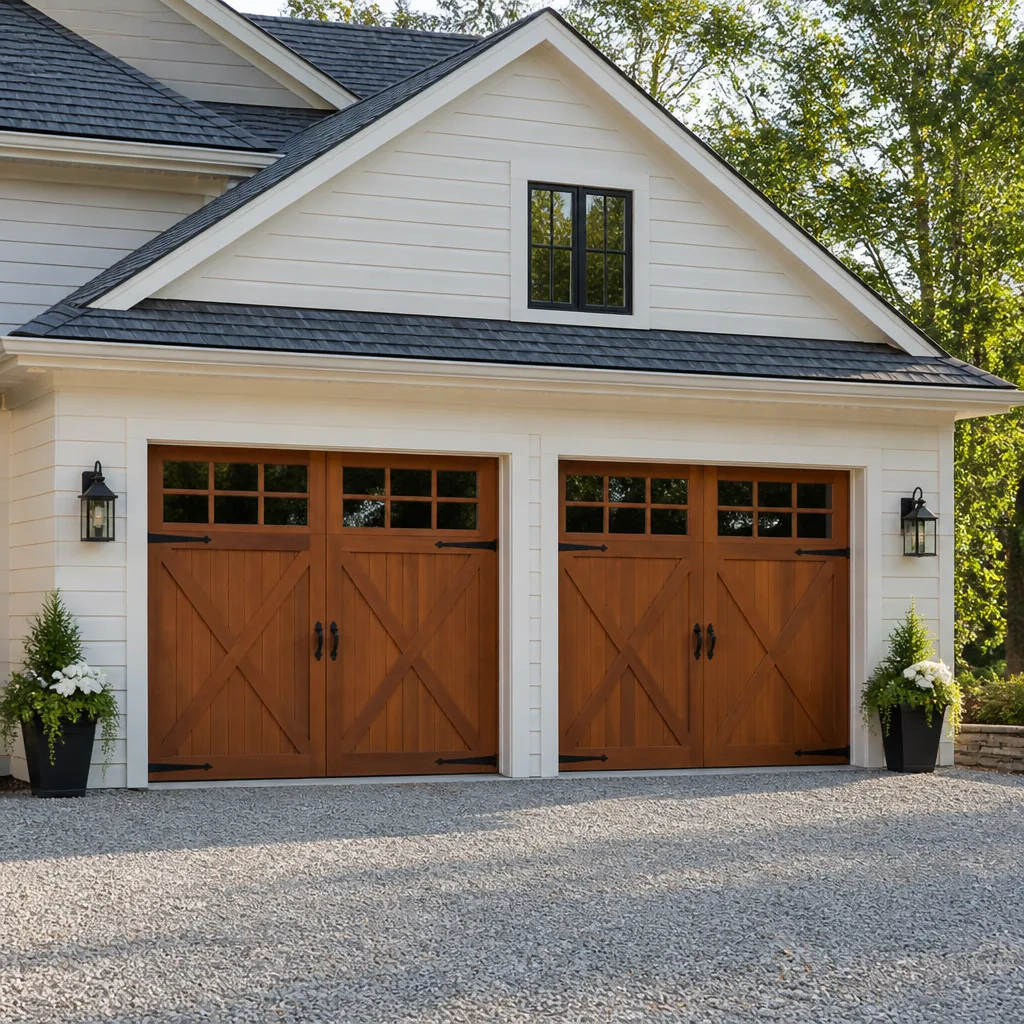 Carriage house
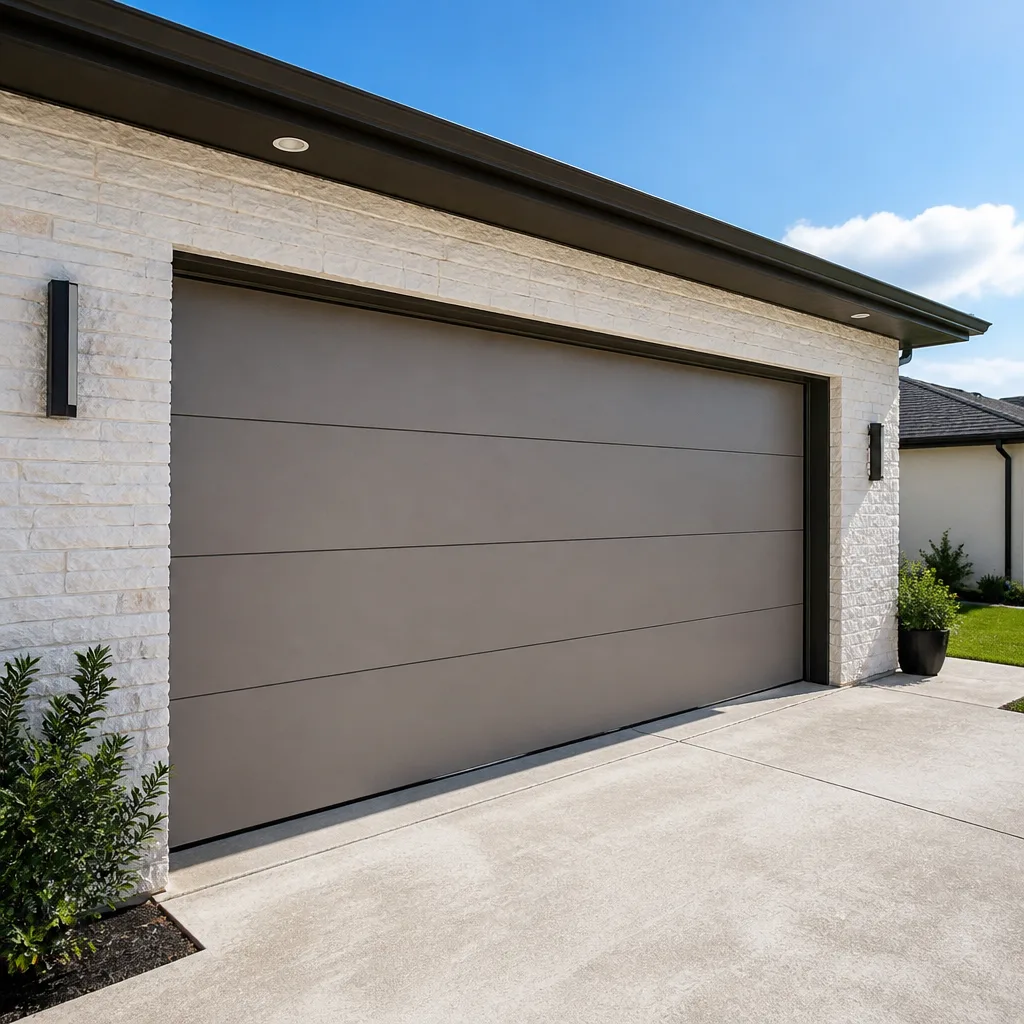 Modern flush
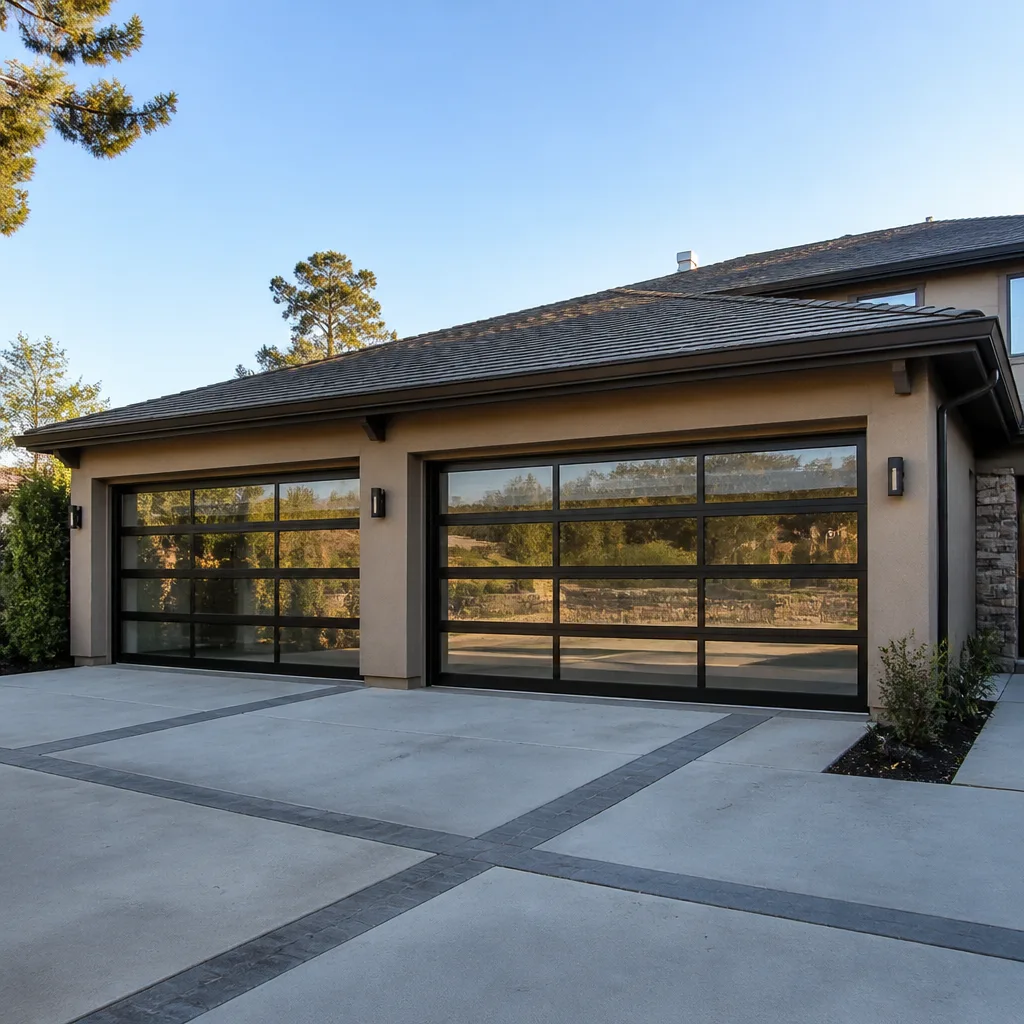 Full-view glass
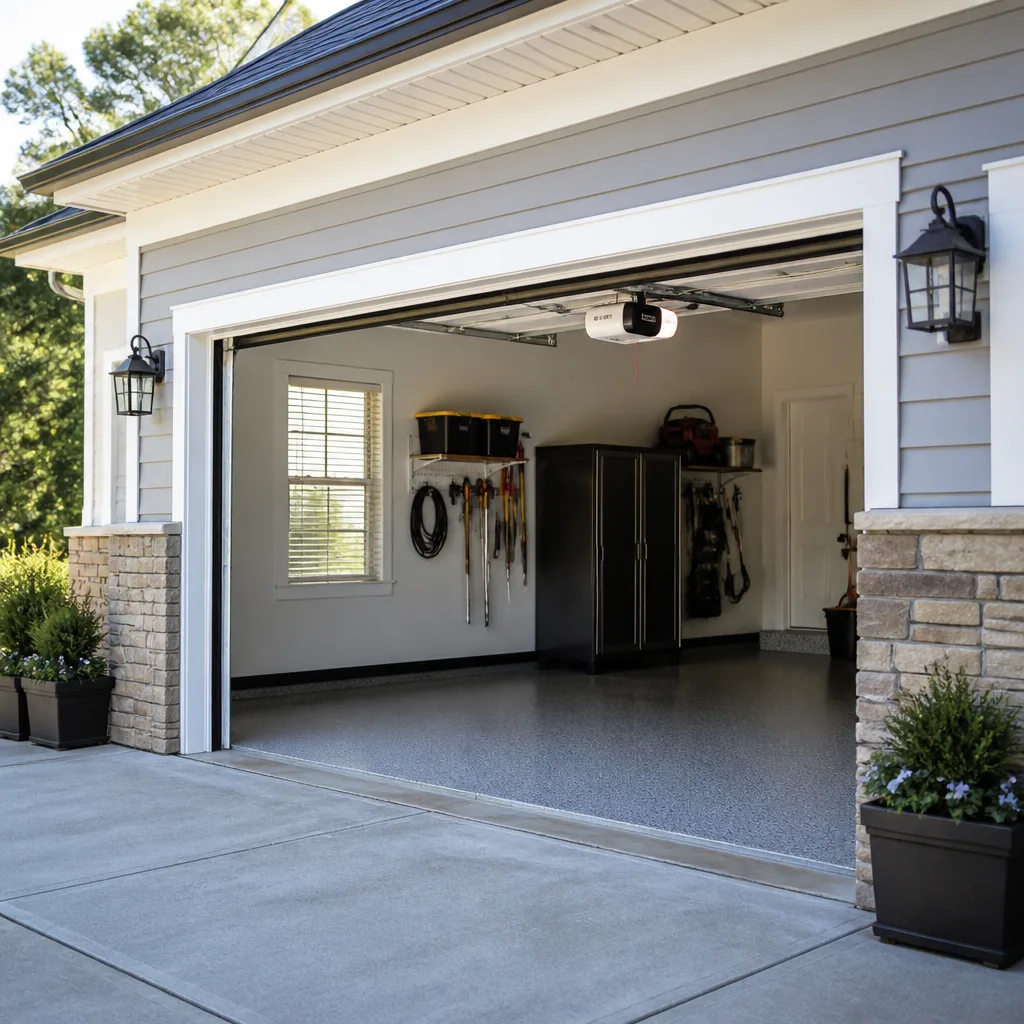 LiftMaster openers
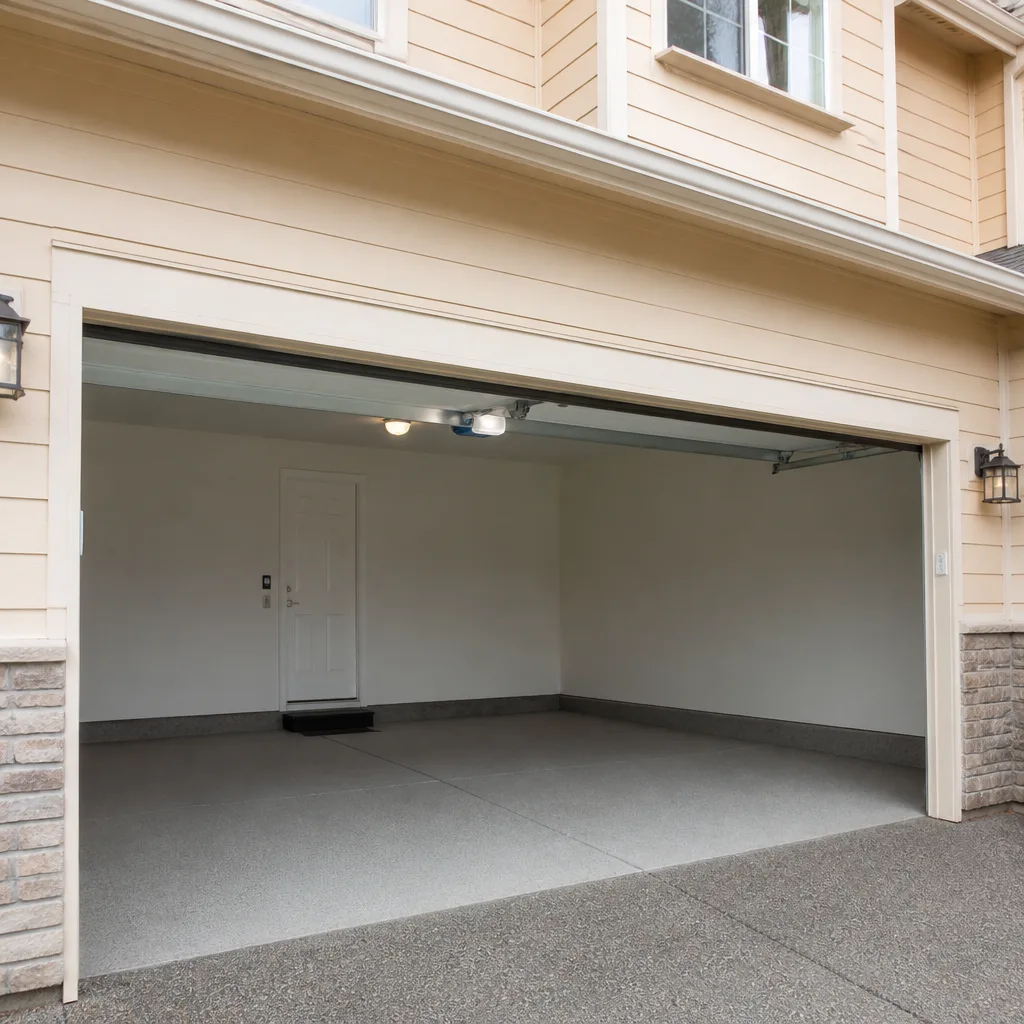 Chamberlain openers
Full 25-point door and opener safety check with every visit - springs, cables, rollers, tracks, and your LiftMaster or Chamberlain opener included
You get a price before we start. It does not change when the pro arrives.
Get your free estimateGarage Door Emergency Preparedness Guide for Providence Homes
Most Providence homeowners don’t think about their garage door until it stops moving. That’s backwards. The door is the largest moving object in your house, it runs on tension stored in springs that can hold hundreds of pounds, and it’s the one piece of equipment you rely on every single day to get the car out. When it fails, the failure is rarely random. Springs break on cold mornings, openers quit when the power cuts, and bottom seals freeze to the slab during a nor’easter. The homeowners who get through it calmly are the ones who learned three things ahead of time: where the manual release is, whether the door is safe to move by hand, and what to tell a technician on the phone. This guide covers all three for Providence homes, plus the winter problems that show up here every year. Read it once now, and you’ll handle a stuck door without losing an hour of your morning.
Styles & brands we work with
- Raised-panel steel
- Carriage house
- Modern flush
- Full-view glass
- LiftMaster openers
- Chamberlain openers
Quick Answer
A garage door emergency in Providence usually means one of four things: no power during a storm, a broken spring, a dead opener, or a door that’s jammed in the tracks. In every case, your first move is the same – locate the red manual release cord hanging from the opener carriage, and check the state of the door before you pull it. If a spring is visibly broken, or the door feels much heavier than usual, keep it closed and call a professional rather than forcing it. For most power-loss situations, the manual release gets you out safely in under a minute.
Table of Contents
- The Manual Release: Your First Move in Any Garage Door Emergency
- How to Tell If a Door Is Safe to Operate by Hand After a Spring Breaks
- Providence Winter Emergencies: Frozen Seals, Contracted Springs, and Ice-Locked Tracks
- When the Opener Quits: Diagnosing Dead Openers and Failing Motors
- What to Have Ready Before You Call for Emergency Service
- How to Vet an Emergency Garage Door Company in Providence
- Seasonal Prep That Prevents Most Garage Door Emergencies
- Common Mistakes to Avoid
- When to Call a Professional
- Frequently Asked Questions
The Manual Release: Your First Move in Any Garage Door Emergency
The manual release disconnects the door from the opener so you can lift it by hand. It’s the red cord hanging from the opener’s trolley – the carriage that rides along the rail above the door. On every LiftMaster, Chamberlain, Genie, or Craftsman opener, that cord does the same job. What most homeowners don’t realize is that pulling the cord is only the first step; doing it wrong can send the door crashing down.
Here’s the procedure that works on the common openers found in Providence homes:
- Make sure no one is standing under or near the door.
- Close the door fully if it’s not already down. Never release a door that’s partway open.
- Grip the red release cord and pull straight down and toward the door. You’ll feel the trolley disengage.
- Lift the door by hand from the bottom edge with a firm, even pull. If it feels dramatically heavier than usual, stop – that’s a spring problem, and pulling it up could drop it.
- Once raised, prop or hold the door fully open before walking under it. Do not assume the door will stay up.
After the door is manually opened, the crucial next step is to re-engage the trolley once you’re back inside. Pull the cord down toward the opener rail, or run the opener a few inches to reset the carriage. Until you do, the door is free to drop if you let go of it, and the opener will just spin without pulling the door. This is where most accidents happen: someone opens the door by hand, forgets to reconnect, and the door free-falls the next time they close it.
If your door uses a wall-mounted jackshaft opener rather than a ceiling-mounted trolley unit – some newer homes in Providence’s East Side and College Hill have them – the release is a lever or cord on the side of the opener. The same principle applies: close the door first, disengage, then lift carefully. If you can’t find the release or it won’t budge, that’s a call to a technician, not a project to force.
How to Tell If a Door Is Safe to Operate by Hand After a Spring Breaks
A door with a broken torsion spring should not be operated by hand or with the opener. This is the single most important safety rule in the trade, and it’s the one homeowners break most often trying to get their car out. Torsion springs store enough energy to throw a person across a garage if it releases wrong. If a spring is broken, the door is dead weight – 150 to 300 pounds of dead weight, depending on the door – and will not lower slowly or stay up where you leave it.
How do you know a spring is broken? Here’s what to look for:
- A loud bang from the garage, usually followed by the door going limp or failing to open.
- A visible gap in the spring coil above the door (torsion) or alongside the track (extension).
- The door feels extremely heavy when lifted halfway and won’t stay up on its own.
- The opener runs but the door only moves an inch before stopping, or the motor strains loudly.
If the spring is intact and the door lifts easily, your problem is likely opener-side – sensor, remote, logic board, or drive gear – and the door itself is safe to move by hand. That distinction matters because the fix is very different: a spring replacement is a spring-job, while a dead opener is garage door opener repair.
We’ve seen Providence homeowners try to lower a door with a broken spring by hand, only to have it slam. The safest move is to leave the door in its current position, lift the car out from underneath if you can, and call for garage door repair to swap the springs. Our technicians have up to 11 years of experience working with the spring systems on Clopay, Amarr, and Wayne Dalton doors, and we always replace a matched pair, not just the one that snapped.
Providence Winter Emergencies: Frozen Seals, Contracted Springs, and Ice-Locked Tracks
Cold weather is the single biggest cause of garage door emergencies in Providence, and most of them happen in the first major freeze of the season. The bigger problem is physics: steel contracts in the cold, and a torsion spring that was perfectly tensioned in October is now carrying the door with less margin. When the metal contracts enough, the spring can snap without warning – often overnight, often on the coldest morning of the year.
Three winter-specific problems show up again and again in this city:
- Frozen bottom seals. The rubber or vinyl bottom seal contacts the slab. When temperatures drop and the slab gets wet, the seal freezes to the concrete and the opener can’t lift the door. Solution: a light tap under the door with a scraper or a pour of warm water along the seal usually breaks the bond. Never use a hammer – you’ll crack the bottom panel.
- Contracted springs. You can’t fix this yourself. When a spring is visibly sagging or the door operates unevenly in cold weather, that’s a service call for spring tensioning or replacement before it fails.
- Ice-locked tracks. Water gets into the vertical track edges and freezes, locking the rollers. Break the ice with warm water and a scraper; do not force the door up with the opener, which will bind the rollers, crack a hinge, or strip the opener’s gear. If the door won’t move even slightly, don’t keep pushing the button.
For doors facing the street, Providence homeowners also deal with snow and ice buildup at the threshold after a plow pass. That ridge of frozen snow blocks the door from closing fully and the safety sensors from working. Clear the snow from the door’s path before you press the button.
The one thing worth doing now, before winter: test the door’s balance by disconnecting the opener and lifting it by hand. If it stays halfway up where you leave it, springs are good. If it slams down, it’s time for a technician to check the spring system. Our team brings Eastwood Garage Door Service out to Providence homes each fall for exactly this check, and it prevents most cold-morning emergencies.
When the Opener Quits: Diagnosing Dead Openers and Failing Motors
If the door won’t move at all and the opener is silent, the first thing to check is power – not the opener. Most opener failures are simple: a tripped breaker, a wall switch left off, or a dead remote battery. Save yourself the service call with a quick check.
- Check the wall control panel. Is it lit? If not, check the breaker that controls the garage circuit.
- Try the wall button first, not the remote. If the wall button works and the remote doesn’t, the problem is the remote’s battery or the door lockout.
- If the wall button works but the door still won’t move, check the safety sensors at the bottom of the tracks. A misaligned or dirty sensor – common after snow, salt-free road grime, or a hit from a garbage can – stops the door like a dead motor.
- If a blinking light on the opener shows an error code, note it before calling. That code tells the technician what’s wrong before arrival.
If the opener is humming but the door isn’t moving, the drive gear or the trolley is stripped – a motor problem that needs repair, not reset. LiftMaster and Chamberlain units are especially common in Providence homes, and their drive gears and logic boards fail in predictable ways. When the opener itself is dead, our garage door opener repair team brings the right gear and board for the specific brand, so there’s no second visit for a part.
For homeowners whose opener is old and needs replacement rather than repair, we handle both sides: the opener and the door. Same call, one accountability.
What to Have Ready Before You Call for Emergency Service
The single best thing you can do to speed up a garage door emergency is have the right information ready before you dial. A technician who knows the brand, model, and symptom ahead of time can arrive with the right spring, opener part, or sensor – and skip the return trip for a missing piece.
Here’s the list. Have these ready:
- The door brand and opener brand. Look at the label on the inside of the door or the opener housing. Clopay, Amarr, Wayne Dalton, Raynor doors and LiftMaster, Chamberlain, Genie, and Craftsman openers each have quirks a brand-familiar technician knows.
- The symptom, in plain terms. “Door won’t open,” “spring broke with a bang,” “door opens halfway and reverses,” “bottom panel is buckled.”
- Whether the spring is intact or broken. This is the single biggest safety triage point.
- Door size and material (single or double, steel or wood) if you can estimate.
- Any error code from the opener’s light or display.
- Your address and a gate code, if applicable. Sounds obvious, but on a cold call it’s the first thing forgotten.
- Whether the door is open or closed and whether a car is trapped inside.
Call (855) 613-2822. We answer 24/7. Fast dispatch from 7am to 7pm, Sunday through Friday. The estimate is free, and the price is set per job by the written estimate before any work starts.
How to Vet an Emergency Garage Door Company in Providence
A legitimate emergency garage door provider gives you the price, the plan, and the identification up front – before touching the door. The most common trap in a 10pm call is the “unlock and diagnose” model: the technician shows up, opens the door, and quotes the price only after the customer is committed. That’s not how a straight operation works.
Here’s what to look for, and what to run from:
- Ask for the price over the phone for common repairs. A reputable company can quote typical prices for spring replacement, opener repair, and sensor adjustment before dispatching. Spring replacement in the Providence market typically runs $180 – $340 for one spring, and a matched pair usually costs about twice that. If the provider won’t give you a range at all, that’s a flag.
- Confirm the price before any work starts. The quote is not a starting point that rises after diagnosis. The written estimate sets the final price. Push back on any “we’ll see what it needs” answer.
- Check that they’re licensed and insured. Ask on the call. Any legitimate provider will confirm without hesitation.
- Expect a real company presence, not a cold caller. A fast, specific answer about the brand of your door is a good sign the technician actually knows what they’re talking about. If they can’t tell you whether they work on your opener brand before coming out, keep calling.
- Watch for upselling. A broken spring needs a spring. A functioning door does not need a full replacement because “the operator is old.” The right fix is the cheapest fix that’s safe.
- No after-hours surcharge. The cost should reflect the job, not the hour. If a provider quotes a premium because it’s Sunday, ask why.
Eastwood Garage Door Service takes the same dispatch approach for any Providence call: brand-familiar technicians, no trial-and-error on the door or opener, and a written estimate before work. We work on Clopay, Amarr, Wayne Dalton, and LiftMaster systems among others, and we don’t pass customers to a different company when the problem turns out to be on the opener side rather than the door side. One call, full system.
Seasonal Prep That Prevents Most Garage Door Emergencies
Ten minutes of prep in early November prevents most of the emergency calls we get in Providence each winter. The tasks below are the ones a homeowner can do – the rest belong to a technician.
- Test the balance. Disconnect the opener, lift the door halfway, and let go. A balanced door stays put. If it drops, the springs need service before cold weather.
- Test the safety sensors. Wave a broomstick in front of the sensor lens. The door should reverse. If not, clean the lenses and try again. If they still fail, that’s a service call.
- Clear the track debris. Leaves, grit, and pine needles accumulate in Providence tracks after fall storms. Wipe the tracks with a cloth – never grease them.
- Check the bottom seal. Look for tears or sagging. A failing seal lets snow and water in, which freezes and locks the door.
- Clear the threshold. Keep the driveway edge and the door’s path clear of piled snow before cold snaps.
- Check the opener’s force setting. On modern openers, this is on the panel or logic board. If the door flinches on the reverse test, the setting may be too sensitive and a technician should adjust it.
The rest – spring tensioning, bearing lubrication on the torsion tube, opener gear inspection, roller replacement – belongs to a professional. Our team handles pre-winter checkups for Providence homeowners and Providence renters alike before the first freeze.
Common Mistakes to Avoid
- Pulling the manual release without closing the door first. Releasing a door that’s partway open sends it crashing down on anything in its path – including the person pulling. Close the door fully, then release.
- Forgetting to re-engage the trolley. The single most common cause of an unexpected slam is a door that was manually released and never reconnected. Before you walk away, pull the release cord back toward the rail or run the opener a few inches to reset the carriage.
- Forcing a door with a broken spring. The springs store hundreds of pounds of force; forcing the door up by hand or with the opener can crack the panels or drop the door. Leave it down and call.
- Lubricating the tracks. Tracks are meant to run dry. Grease collects grit and clogs the rollers, speeding up wear.
- Ignoring a bent panel or a door that closes crooked. In Providence, a door that binds on one side after a snowstorm usually has a bent track or a failing hinge – fixable now, expensive if ignored.
- Calling any provider who answers at 10pm without asking the price. The hour doesn’t justify a mystery quote. Ask before they roll a truck.
- Waiting until the opener dies to service it. A door that’s been opening slowly or straining is warning you. That’s the moment for a checkup – not the moment it quits on the coldest morning of the year.
When to Call a Professional
Call for a professional the moment you see a broken spring, when the door won’t stay up on its own, when a panel is visibly bent or cracked, when the opener strains or hums without moving the door, or when the door reverses on its own with no obstruction. Those are all signs that a fix by hand risks injury or a bigger repair. Never force a door that’s binding in the tracks. Never stand under a partially open door. And never attempt a spring replacement yourself – that’s a job for a trained technician with the right tools.
Eastwood Garage Door Service offers free estimates in Providence – call (855) 613-2822. We answer 24/7. Fast dispatch from 7am to 7pm, Sunday through Friday. Our technicians have up to 11 years of experience on the door and opener brands found in most Providence homes, so we come out knowing the system, not guessing at it.
Frequently Asked Questions
Check the wall control panel and the breaker first – many “dead opener” calls are a tripped breaker or a wall switch left off. If the panel is lit and the door still won’t move, look for a broken spring; a broken spring means keep the door closed and call a professional. If the spring looks intact, the problem is likely the opener or its safety sensors. Call (855) 613-2822 for an exact quote – estimates are free.
Pull the red manual release cord hanging from the opener trolley, then lift the door by hand from the bottom edge. Close the door fully before releasing it, and re-engage the trolley before you leave. If the door feels much heavier than normal, stop – a broken spring is likely, and the door should stay closed until a technician arrives.
Spring repair in Providence typically runs $180 – $340 for one spring, and since springs are replaced as a matched pair, a pair usually costs about twice that. The written estimate sets the final price, and the price is agreed before any work starts. Call (855) 613-2822 for an exact quote – estimates are free.
Same-day service is available for most Providence repair calls. Call (855) 613-2822. We answer 24/7. Fast dispatch from 7am to 7pm, Sunday through Friday. Our dispatch is closed on Saturday, but we answer the phone and book the next available appointment for Sunday or the following day.
No. The price is set by the written estimate before any work starts. If the actual problem is different from what you described on the phone – a dead opener rather than a broken spring, for example – we’ll tell you the revised estimate before touching the door, and you can approve or decline. Call (855) 613-2822 for an exact quote – estimates are free.
Yes. Eastwood Garage Door Service works with licensed and insured technicians, and we can confirm the details on the call before we dispatch. Our technicians have up to 11 years of experience on the door and opener brands common in Providence homes, so we’re equipped to handle the diagnosis on the first visit. Call (855) 613-2822 to discuss your door.
The Bottom Line
Most Providence garage door emergencies are not surprises – they’re predictable failures that a five-minute check would have caught. The spring that snaps on the coldest morning was showing its warning signs in fall. The opener that quits has been straining for weeks. And the homeowner who gets through a nor’easter outage without losing a morning knows where the manual release is, closes the door before pulling it, and reconnects the trolley before walking away. Learn those three things, do the fall checkup, and keep the phone number handy. If it does go wrong – a broken spring, a dead opener, a door that won’t move – don’t force it. Our team at Eastwood Garage Door Service works on the door and the opener together, on the brands that are actually in Providence garages. Call (855) 613-2822. We answer 24/7. Fast dispatch from 7am to 7pm, Sunday through Friday. Free estimates, and the price you hear is the price you agree to before we touch the door.
Written by the team at Eastwood Garage Door Service.
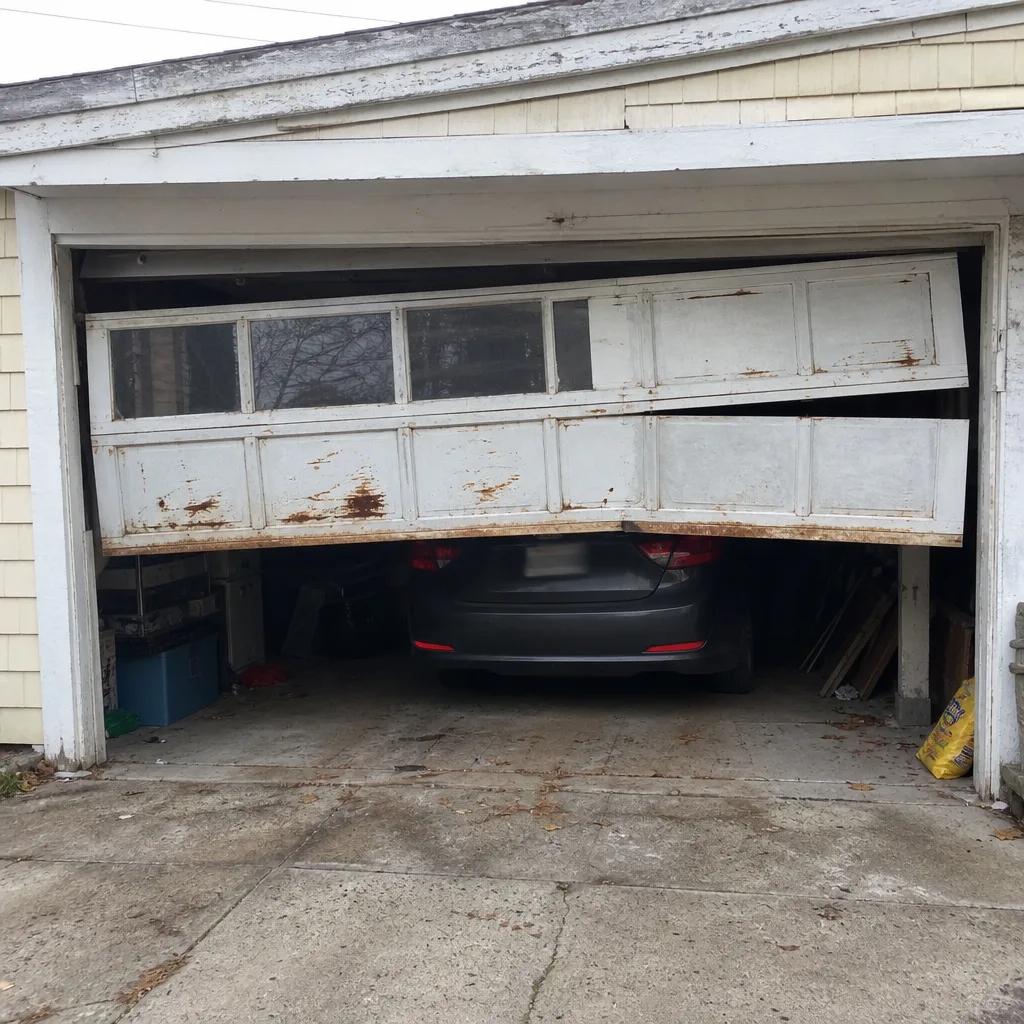
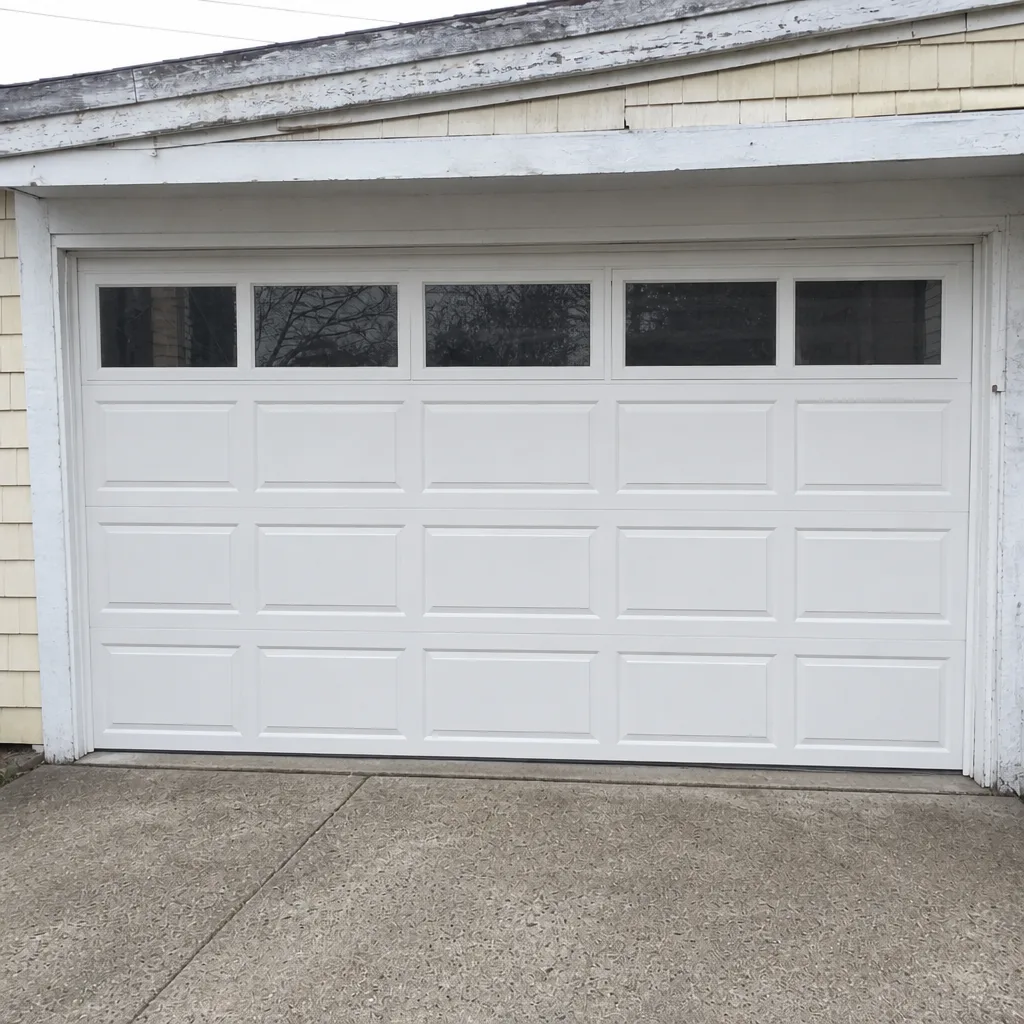
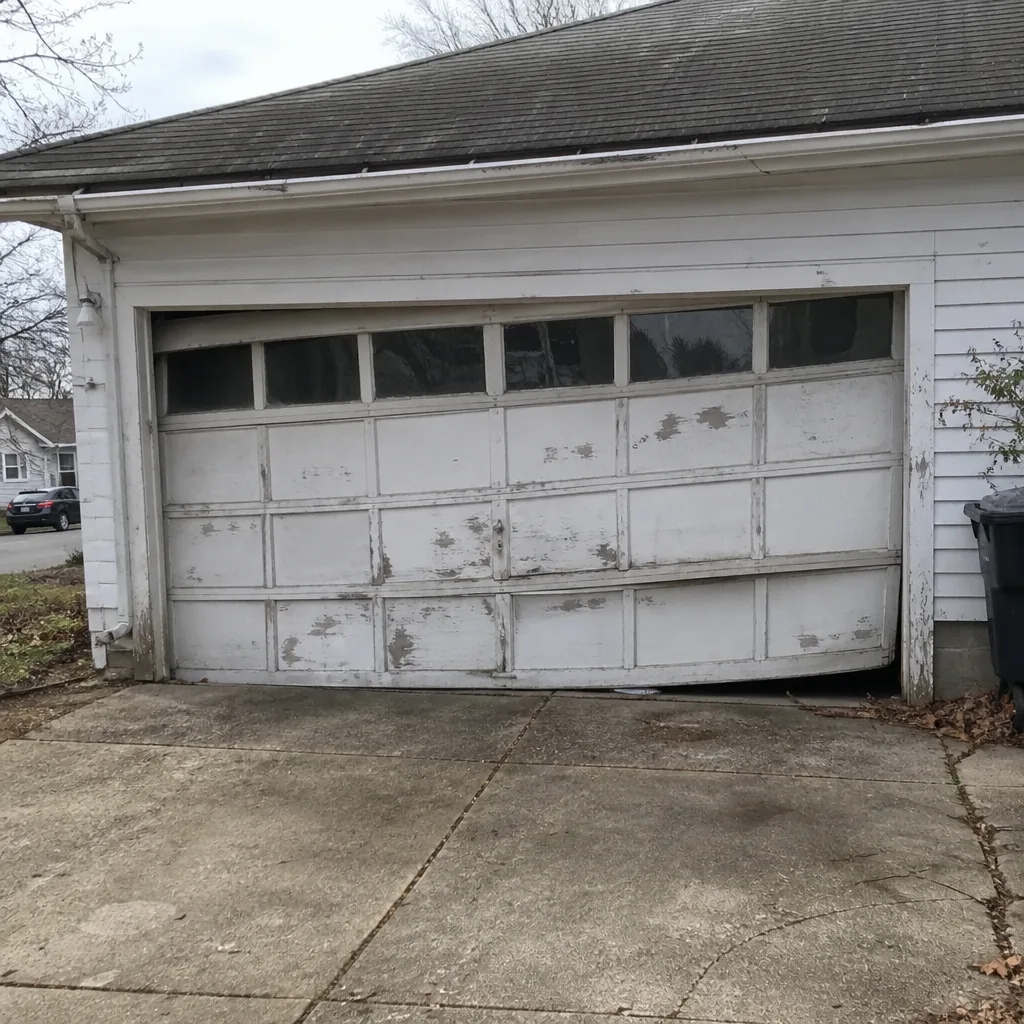
See the difference
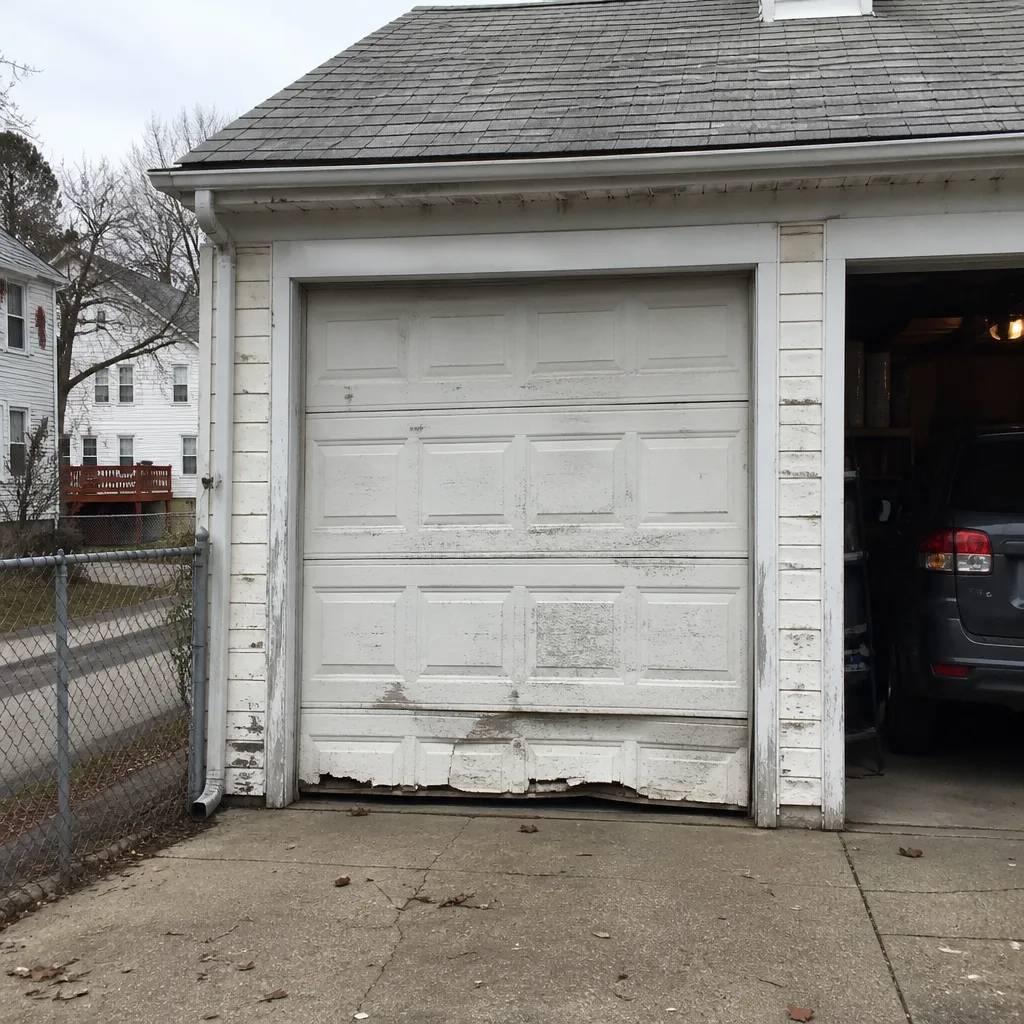 Before
 After
 Before
 After
 Before
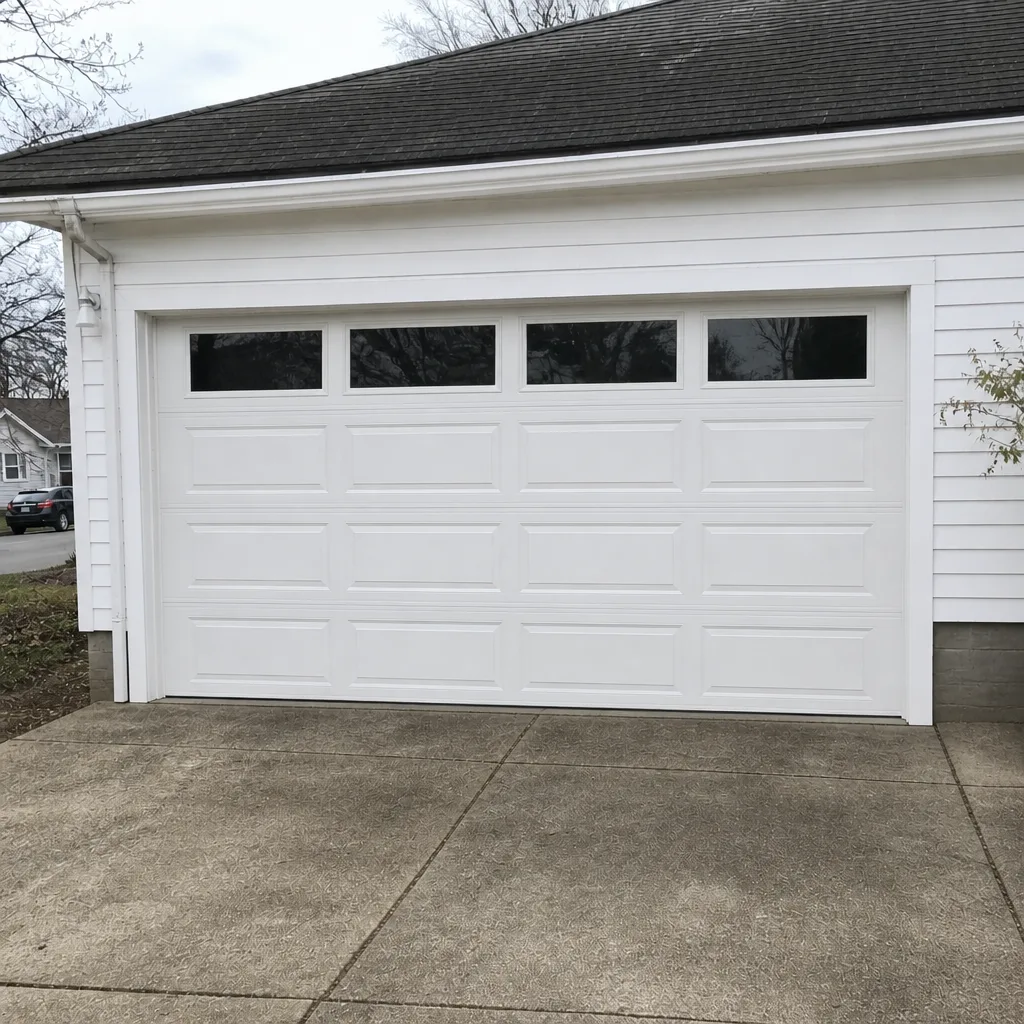 After