
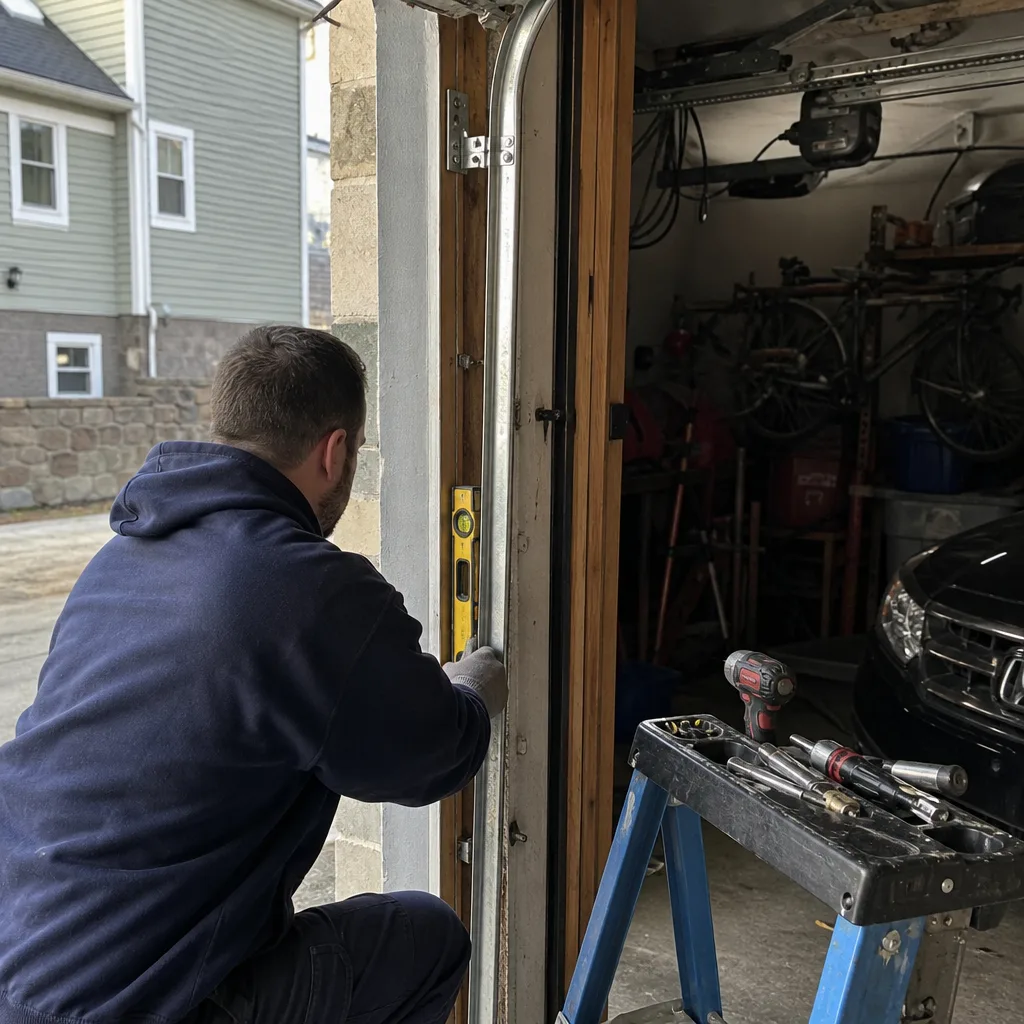
Last updated November 15, 2026
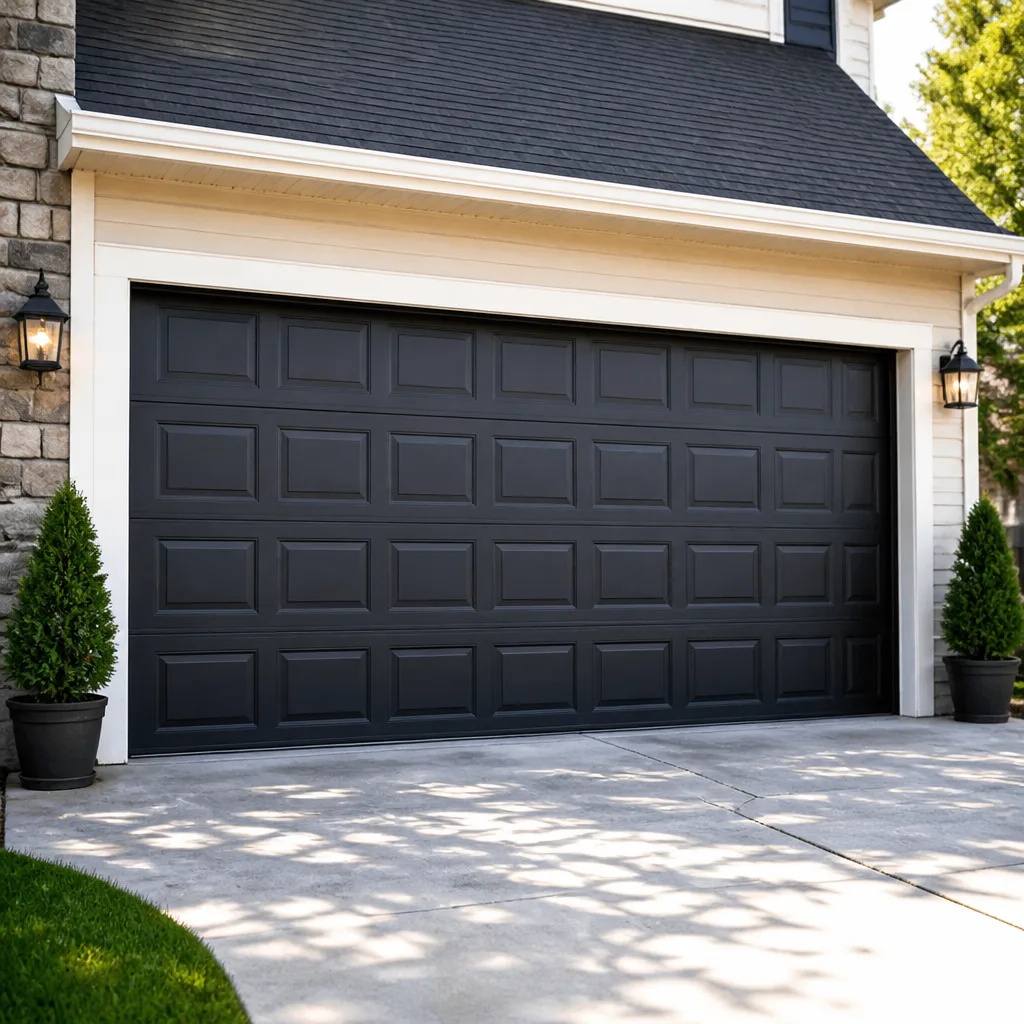 Raised-panel steel
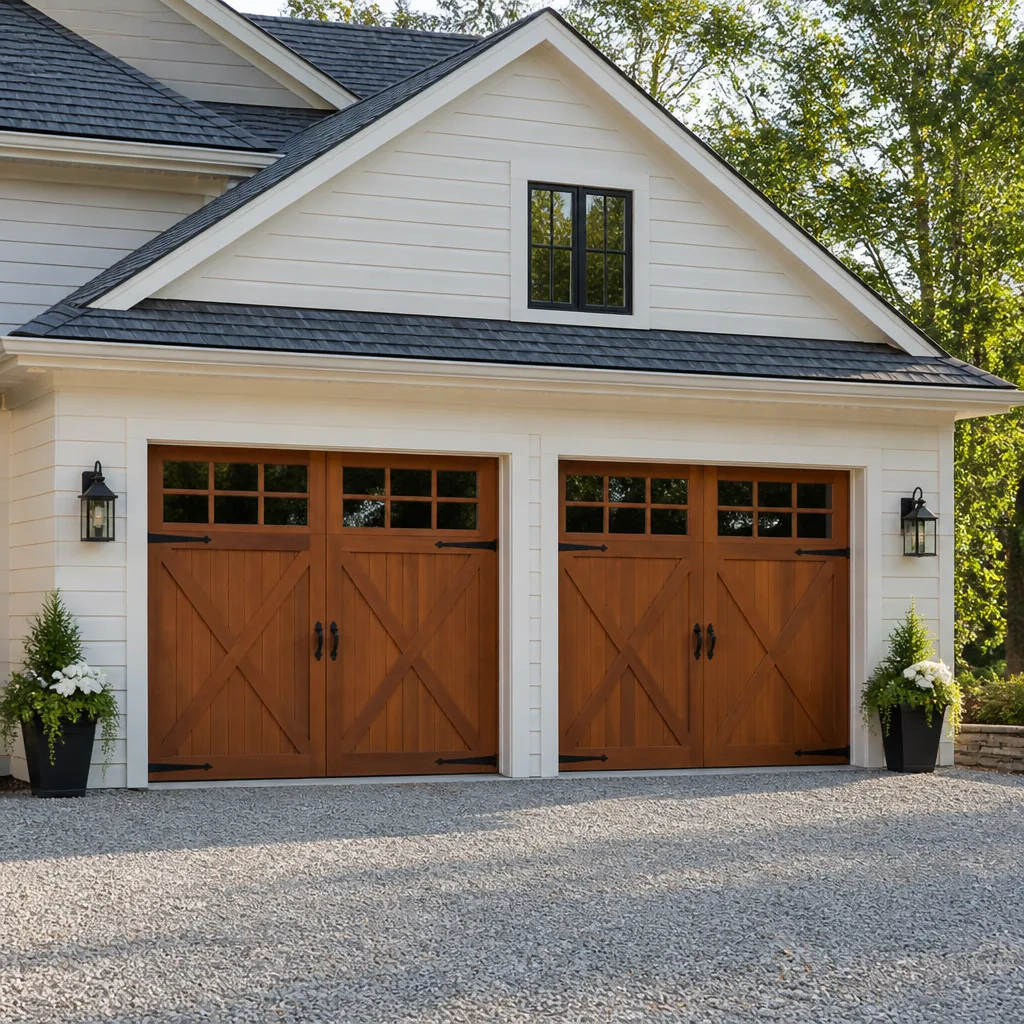 Carriage house
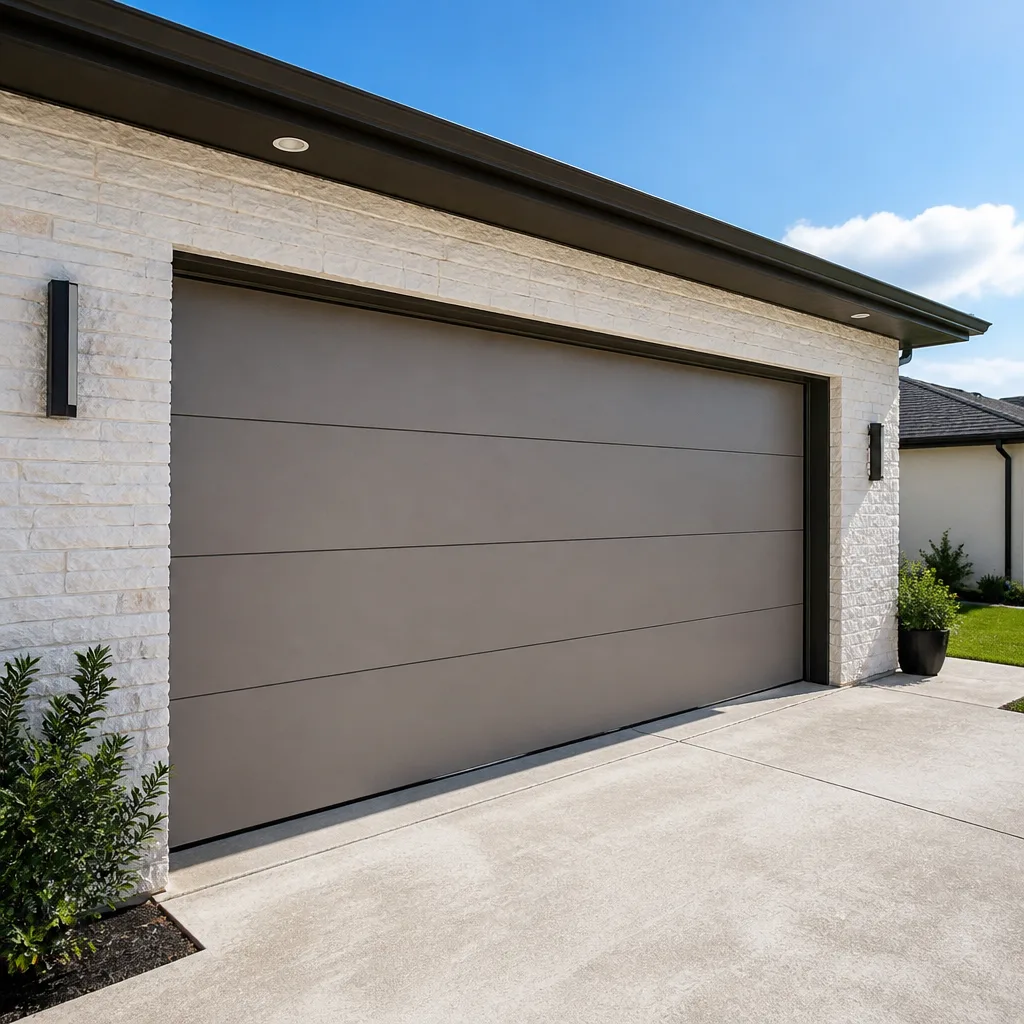 Modern flush
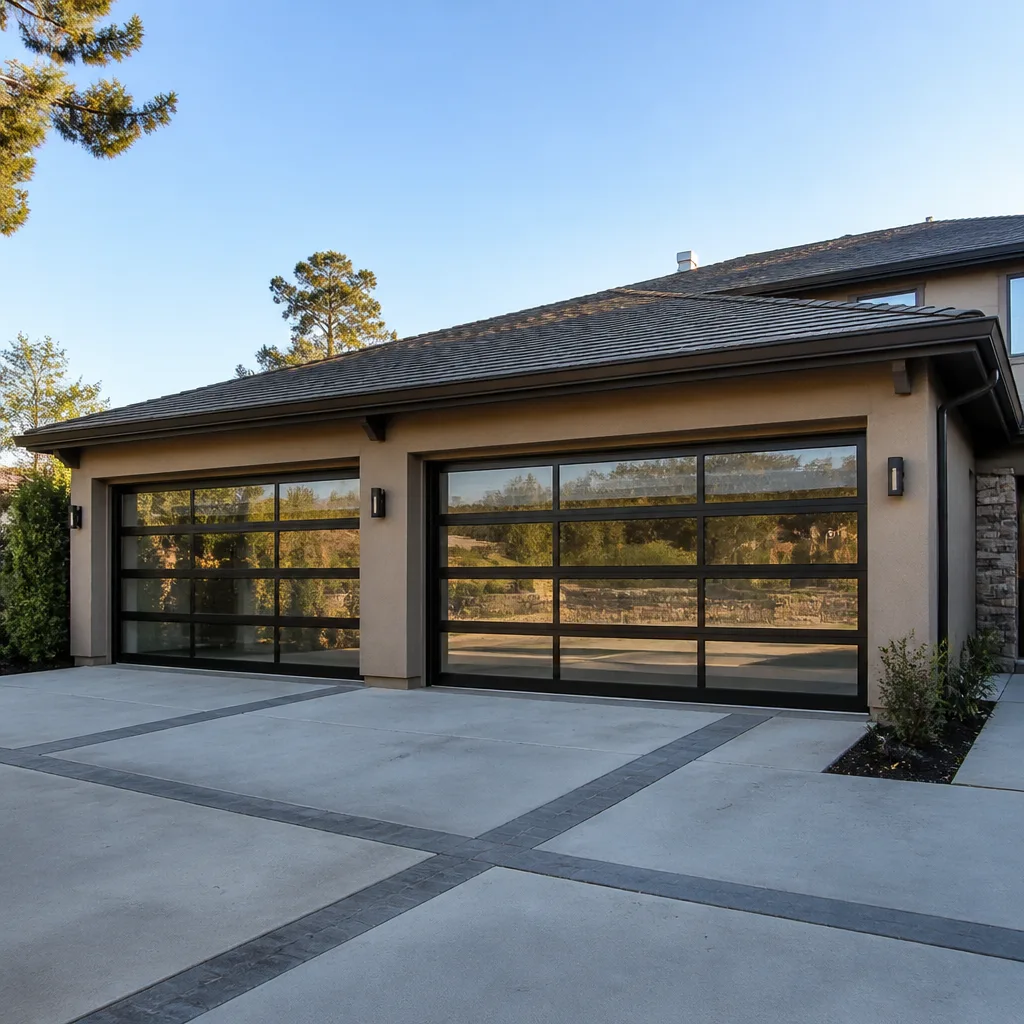 Full-view glass
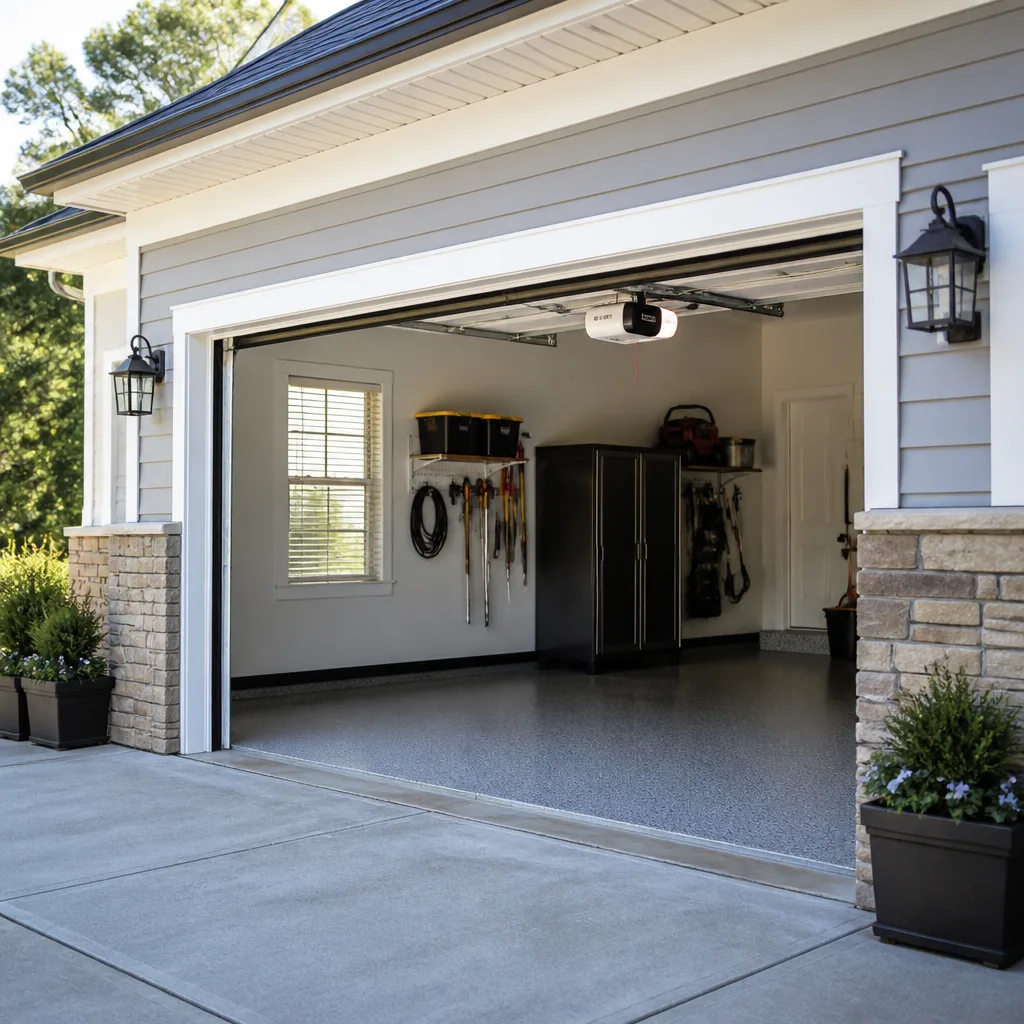 LiftMaster openers
 Chamberlain openers
Full 25-point door and opener safety check with every visit - springs, cables, rollers, tracks, and your LiftMaster or Chamberlain opener included
You get a price before we start. It does not change when the pro arrives.
Get your free estimateGarage Door Warning Signs: A Providence Homeowner’s Reference Guide
A garage door that hesitates for half a second before it opens isn’t quirky. That pause is telling you something specific. If the hesitation happens the moment you press the button, before the door moves at all, the likeliest culprit is the opener, often a failing capacitor or a tired logic board. If the door starts to rise and then stalls or jerks partway up, you’re usually looking at a balance problem, a weakening spring or a track that’s gone out of alignment. Same half-second. Two completely different repairs. Learning to tell those signals apart is what this guide is for, and it matters a little more in Providence, where a lot of homes have doors and openers that have quietly been making the same noise for years. Read on and you’ll know which sounds, sights, and behaviors point to which component, what’s safe to observe yourself, and when to stop using the door entirely.
Quick Answer
The main garage door warning signs are new or worsening noises (grinding, scraping, popping), slow or uneven movement, a door that reverses before closing, visible sagging or bent tracks, and frayed or hanging cables. Grinding usually means a dry or failing bearing or roller, scraping points to a track or panel rub, and popping often signals a spring under strain. Signs that mean stop using the door immediately are a snapped spring, a loose or hanging cable, and a door that won’t stay up on its own. Anything in that second group is a safety issue, not a maintenance item.
Styles & brands we work with
- Raised-panel steel
- Carriage house
- Modern flush
- Full-view glass
- LiftMaster openers
- Chamberlain openers
Table of Contents
- What the Noise Is Telling You: A Sound-to-Cause Guide
- Visual Warning Signs You Can Safely Check
- Behavioral Patterns: Slow, Uneven, and Reversing Doors
- Opener Problem or Door Problem? How to Tell the Difference
- Immediate Safety Risks vs. Signs You Can Schedule
- How Providence Weather and Housing Shape Wear
- When Warning Signs Mean Replace, Not Repair
- What to Note Before a Technician Arrives
What the Noise Is Telling You: A Sound-to-Cause Guide
Noise is the earliest signal a garage door gives you, and different noises come from different parts of the system. A grinding sound is metallic and continuous, and it usually comes from a bearing or a roller that’s lost its lubrication or worn its race. Scraping is rougher and more intermittent, and it tends to mean a panel is rubbing the track or the door frame. A sharp pop or bang, especially one loud enough to make you flinch, points toward the torsion spring or, less often, a cable that has slipped. If you hear a bang and the door suddenly feels very heavy, that’s not a repair you schedule for later. Treat it as a stop-use signal and read the safety section below.
Here’s how to map the sound to the likely cause before you call anyone:
- Rhythmic grinding that speeds up with the door: a worn or dry roller, or a bearing in the opener’s drive. Louder as the door rises.
- Rough scraping, especially on one side: a panel or hinge rubbing a misaligned track.
- Loud pop or snap, door goes slack: a torsion spring failure. Stop using the door.
- Squealing that rises and falls: metal-on-metal at the rollers or the opener’s rail, often just dry.
- Rattling that wasn’t there last month: loose hardware, a bracket that’s worked free, or a hinge pulling out.
- Buzzing from the opener head with no movement: an opener issue, not the door itself. More on this below.
What makes this trickier in older Providence homes is acclimation. A door that has groaned or clicked for years trains everyone in the house to stop hearing it. If you’ve moved into a place and inherited a door you didn’t install, spend two minutes listening to a full open-and-close cycle with no other noise in the garage. You’ll learn the baseline, and anything new will stand out. Brand matters here too: a Raynor door and a Genie opener have different normal sounds, and a technician who works on both weekly knows which rattles are just the design and which are the start of a failure.
Visual Warning Signs You Can Safely Check
You can spot a lot of trouble without touching anything, and that’s the right way to check. Walk into the garage with the door closed and look up at the torsion spring above the door. A healthy spring is a tight coil of steel; a broken one shows a clear gap, usually about the width of a finger, somewhere along its length. Look at the two cables that run down either side. They should be taut and straight. A cable that’s kinked, frayed, or hanging loose is a safety issue, and you should keep the door closed until someone qualified looks at it.
Next, scan the tracks from the floor up. They should be parallel, straight, and clear. Dings, bends, or a track pulling away from the wall are all things a technician needs to see. Then check the rollers, the small wheels that ride in the track. Flat spots, cracks, or wheels that look dry and gray instead of clean and round are signs of wear. Look at the door panels for cracks, especially near the hinges and the bottom section, where water and use take the most toll. A slight sag across the top panel can be a hinge problem or a sign the door is out of balance.
What you should not do is try to test a spring’s tension by hand, push a door up to see how heavy it feels with a suspected break, or attempt to adjust a cable or track yourself. Springs and cables are under real tension and are the part of this system that genuinely can hurt you. Observation is safe. Hands-on adjustment is not, and we’d rather you leave it to a professional who has the right tools and knows what tension looks right. If something looks off, note what you saw and which side of the door it’s on; it speeds up the diagnosis.
Behavioral Patterns: Slow, Uneven, and Reversing Doors
A door’s behavior on each cycle is a diagnostic in itself. Slow movement in both directions usually means the opener is working harder than it should, which can be a failing opener motor, a weakened spring, or a door that’s gotten heavier because of a hinge or roller problem. A door that moves at full speed up but crawls down, or the reverse, points more specifically at balance, since a properly balanced door takes roughly the same effort in either direction. Uneven travel, where one side lags and the door racks or twists in the tracks, is almost always a balance or track issue and worth stopping to look at.
Reversing is the pattern homeowners ask about most. A door that comes down partway and then pops back up may be hitting an obstruction, and that can be as simple as a roller that’s come out of its track or as serious as a broken spring the opener is compensating for. The most common non-mechanical cause is a misaligned or dirty safety sensor at the bottom of the door tracks. Those sensors are supposed to reverse the door, and when they’re bumped out of line or clouded by dust, the door treats every close as an obstruction. We see this constantly on LiftMaster and Chamberlain openers with wired sensors, and it’s usually a quick adjustment once you know what you’re looking at.
The most tell-tale behavioral sign of all is a door you have to help. If you find yourself lifting the door a few inches by hand to get the opener to take over, or lowering it because it won’t close on its own, the balance is off and the opener is being forced to do work it wasn’t built to do. That pattern wears out openers. It doesn’t fix itself. If garage door repair is likely, the cheapest moment to act is now, before a balance problem takes the opener with it.
Opener Problem or Door Problem? How to Tell the Difference
When your door misbehaves, the hardest part is knowing which of the two systems faulted. This matters because it decides who you call and what it costs. The good news is that a few checks narrow it down fast, and you don’t have to be a mechanic to run them.
The first and most useful test is the manual release. Every opener has a pull cord that disconnects the door from the opener so you can move it by hand. Pull it, then lift the door slowly. If the door rises easily and stays up when you let go at about halfway, the door itself is balanced and the problem is most likely in the opener. If the door is heavy, hard to move, or won’t stay up, the door has a mechanical problem (spring, cable, track, or hinge) and the opener is just doing what it’s told. Set the door back down and re-engage the cord, and now you have a real answer, not a guess.
If the door passes that test, the opener is the suspect, and the symptom narrows it further:
- Opener hums but doesn’t move the door: the motor turns but a gear or the capacitor has failed. A common pattern on older units.
- Opener doesn’t respond to the remote but works on the wall button: a remote or receiver issue, not a mechanism issue.
- Door reverses on contact or before closing: safety sensor or a force setting, worth checking before paying for a part.
- Opener runs in short bursts then stops: an overheating motor or a force limit that’s been tripped, often a door problem wearing the opener down.
Openers from Genie, LiftMaster, and Chamberlain all have their own diagnostic quirks, and a technician who works on all three doesn’t have to guess. If the decision is between a door repair and a garage door opener repair, we can figure out which one it is without swapping parts on a hunch.
Immediate Safety Risks vs. Signs You Can Schedule
Before anything else, separate the signs into two buckets. The first bucket is “stop using the door and call.” The second is “you can keep using it and schedule service soon.” Getting that call right is what protects your family and your car.
Immediate safety risks (stop using the door):
- A snapped torsion spring, or a clear gap in the spring coil.
- A loose, hanging, kinked, or frayed cable.
- A door that falls freely or won’t stay up on its own. It can come down on someone.
- A bent or disconnected track that could let the door come out of its rails.
- A door that closes on a person or an object instead of reversing. That’s a failure of a safety system, not a convenience issue.
Signs you can schedule (still worth attention):
- Grinding or squealing that gets worse, but the door still operates normally.
- Slow movement that’s consistent and not accompanied by the door feeling heavy.
- A remote that keeps needing a new battery or fails from the driveway.
- Worn rollers and loose hardware that haven’t affected the door’s travel.
- Paint, panel cracks, or dents that are cosmetic.
A garage door is likely the heaviest moving thing in your house, and a spring or cable failure stores a lot of energy. That’s why we don’t want anyone testing tension, greasing a track by guesswork, or prying at a cable to “see if it’s snug.” The stakes on that side of the work are high, and a trained technician should handle it. If you’re ever unsure which bucket you’re in, err toward the first one. Close the door, leave it, and call. We answer 24/7, and a call outside dispatch hours is booked into the next opening, Sunday through Friday, 7am to 7pm.
How Providence Weather and Housing Shape Wear
New England conditions are hard on garage door hardware in ways that show up as warnings long before failure. The freeze-thaw cycle through winter puts stress on hinges, tracks, and cables as metal contracts in the cold and expands again in the thaw. When moisture gets into a roller bearing and freezes, it can leave a flat spot or start a crack that only shows up later as a grinding noise. Springs don’t like the cold either. A spring that’s near the end of its life is more likely to snap on the first really cold morning than on a mild day, which is why a door that’s been fine all fall should still get a look before deep winter.
Providence’s older housing stock adds another layer. A lot of homes here have garages that were built decades ago, and the door and opener have been swapped or patched over the years, sometimes more than once. It’s common to find a door and opener from different eras working together, a modern opener on a much older door, and neither one has been serviced in a while. That mismatch isn’t automatically a problem, but it does mean the “normal” sounds you hear may be one component compensating for another. If you’re in a neighborhood like Elmwood or the East Side and your garage has clearly seen a parade of different tenants, assume the door has a past and give it a proper once-over. A short service call in the fall tends to head off the cold-morning breakdown.
If you’re planning a new door rather than repairing an old one, climate matching matters too. A well-sealed door and a correctly sized opener help keep a Providence garage usable for storage and workspace through the winter, and a technician who is familiar with a range of doors, from Clopay to Wayne Dalton, can recommend the material and insulation that suit your garage. If you’d like to talk the whole system through, our guide to Providence covers how we approach service across the city.
When Warning Signs Mean Replace, Not Repair
Not every warning sign calls for repair. Sometimes the honest answer is that an older door or opener is telling you it’s at the end of its life. The line between “fix it” and “replace it” comes down to what’s failing and how often.
A single broken spring, a worn roller, a sensor out of alignment, or a worn hinge? Repair is usually the sensible choice. But if you’re seeing several of these at once on a door that’s been through a lot, or if an opener has failed two or three times in a couple of years, the repair math starts to flatten out. Repeated opener failures in particular often mean the door’s balance has been dragging the motor down, so fixing the opener alone just resets the clock.
Signs a replacement is worth considering:
- Multiple failed openers on the same door.
- Bent or damaged tracks that have been straightened more than once.
- Panel damage, rot, or rust across several sections.
- A door that’s constantly out of balance even after service.
- An opener old enough that parts can’t be sourced, or that lacks working safety sensors.
Installation work isn’t the same as a quick repair. A new door has to be measured and ordered, and a new opener has to be matched to the door’s weight and size, so this is scheduled, not same-day. That’s not a downside; it means you get a free measure, a written price, and a system that fits your garage rather than a unit that happens to be in stock. If you’re leaning toward a new system, we install Clopay, Amarr, Wayne Dalton, and Raynor doors, and we’re just as familiar with the opener side.
What to Note Before a Technician Arrives
The more precisely you describe the problem, the faster the diagnosis and the more accurate the written estimate. Before you call, jot down a few specifics. You don’t need to be technical; you just need to be observant.
- The sound: is it grinding, scraping, popping, squealing, or a rattle? When in the cycle does it happen?
- The behavior: slow, uneven, reverses, won’t stay up, or won’t respond at all?
- The manual-release test: did the door feel heavy when disconnected, or did it move easily?
- The brand and model: a look at the opener head (there’s usually a label on it) and a note of the door brand, if you can find it, helps a technician bring the right parts.
- The door’s history: has it been serviced before? Do you have an idea of how old the components are?
- The safety sensors: do they have their indicator lights on, and are they lined up?
If you have that list, we can often rule out half the possibilities before we arrive. The price is quoted and agreed before any work starts, so you’ll know the cost up front. If we show up and the issue is different from what you described, the estimate is revised and agreed before we continue. You never get an invoice surprise.
Common Mistakes to Avoid
- Treating “it’s always done that” as a diagnosis. In a lot of older Providence homes, a familiar noise gets dismissed as character rather than wear. Noise usually gets worse slowly, so the day you notice it, is a good day to have someone look.
- Testing a suspected spring or cable by hand. Springs and cables are under real tension. Looking is safe; pulling, prying, or greasing a cable is how people get hurt.
- Lubricating everything on a hunch. The right places for a little lubricant are the rollers, hinges, and pivots, not the torsion spring or the tracks. Greasing a track can make a door slip and is a common cause of a door that suddenly won’t stay put.
- Ignoring the manual release. If you’ve never located your opener’s release cord, find it now. You’ll want it if the door fails, and it’s the fastest way to tell whether the door or the opener is the problem.
- Replacing the opener to fix a door problem. A worn spring or dragging track makes the opener work harder, and a new opener on a problem door will fail sooner. Get the door balanced first.
- Skipping the pre-winter look. Providence freeze-thaw cycles find weak hardware. A quick inspection in fall is cheaper than a broken spring in January.
- Assuming the door is safe because it still opens. A door that opens can still be a hazard if its safety sensors are dead or its spring is fractured. The sensors should reverse the door; check that they do.
See the difference
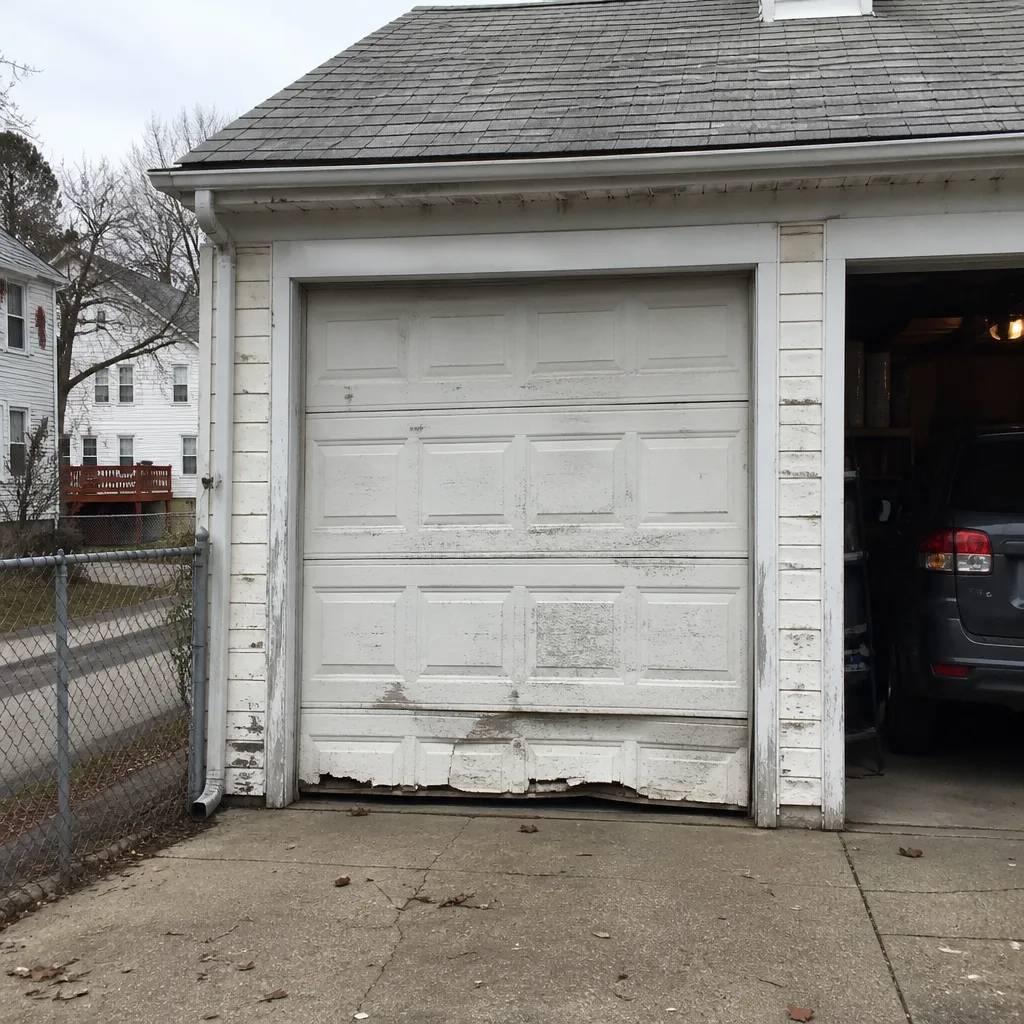 Before
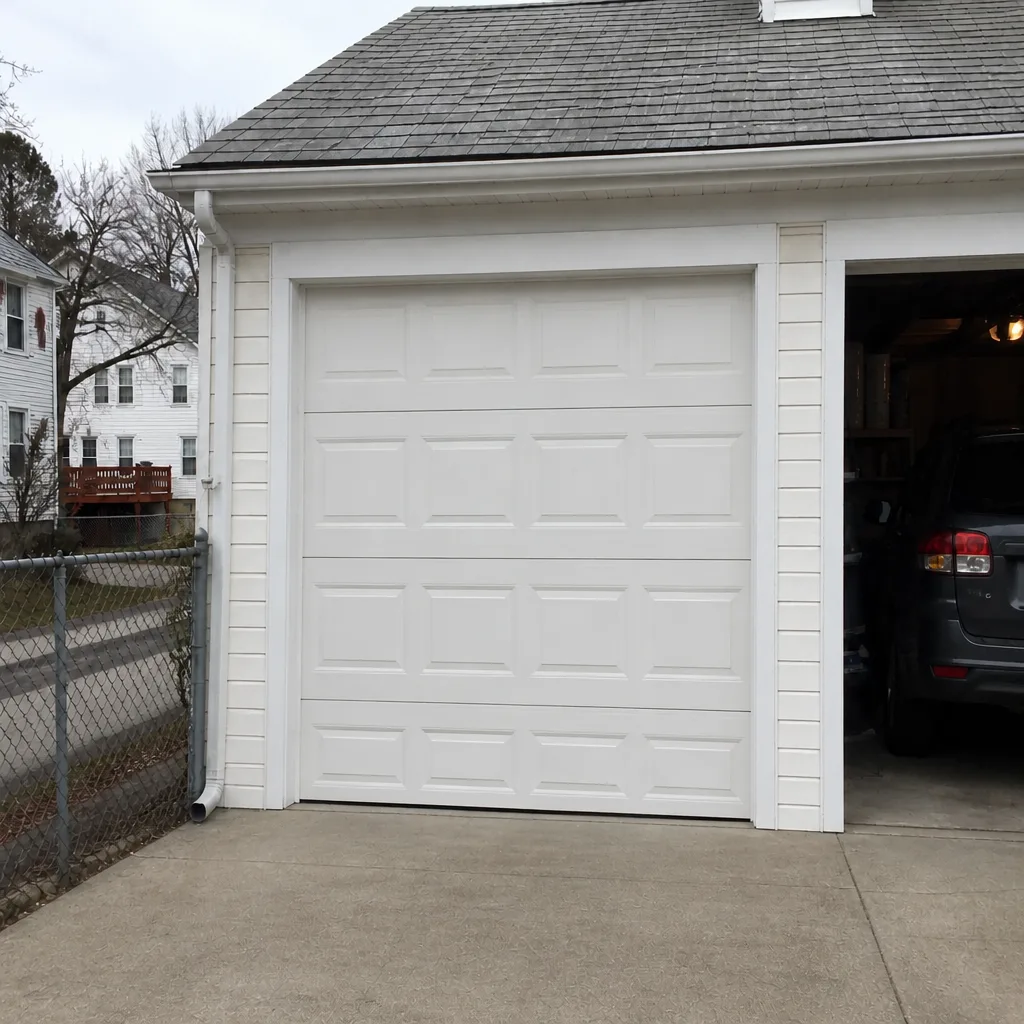 After
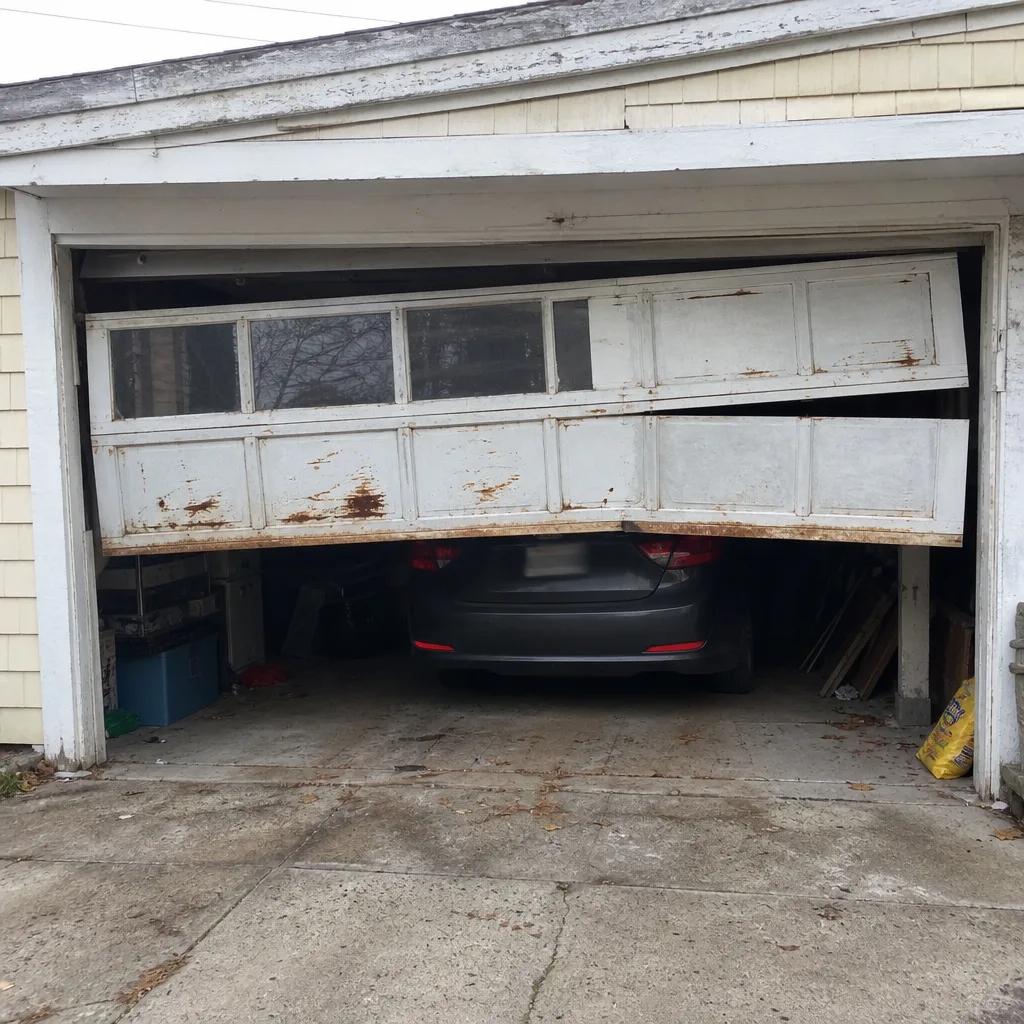 Before
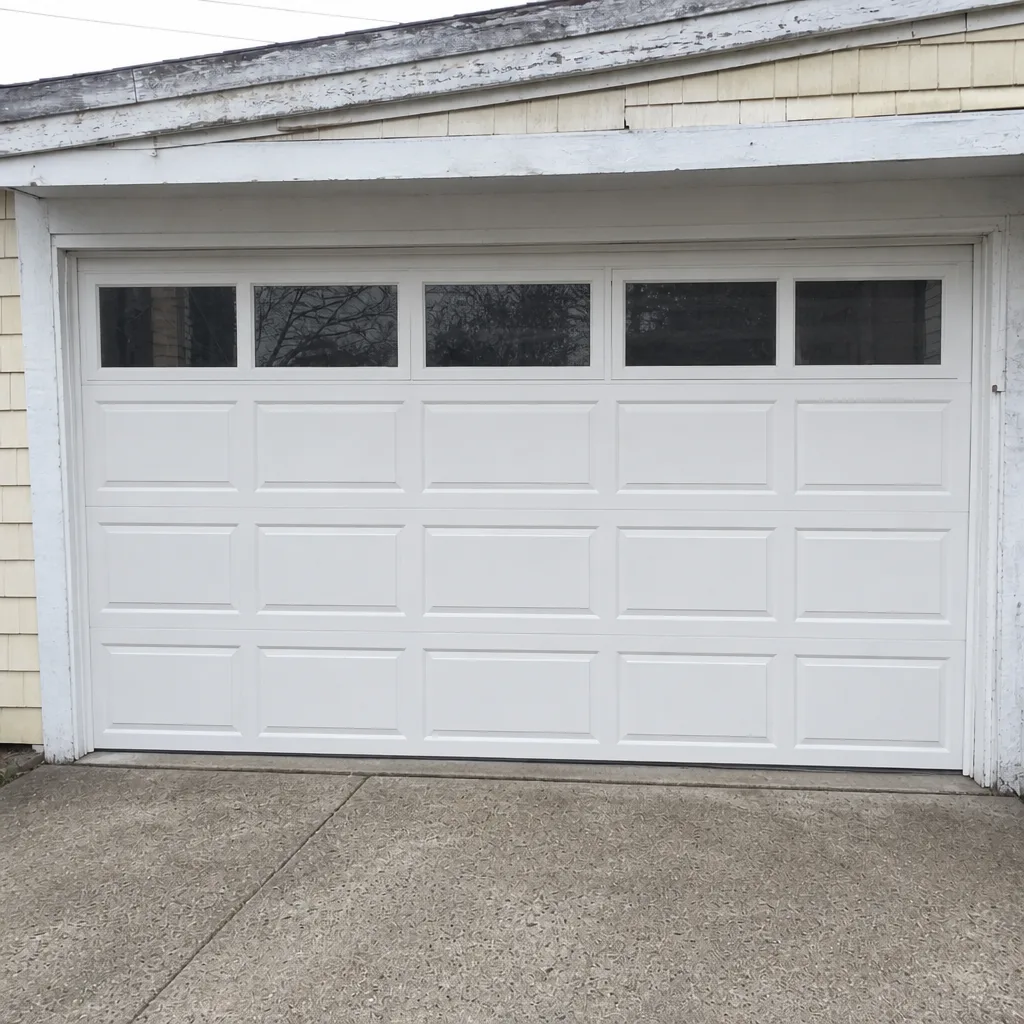 After
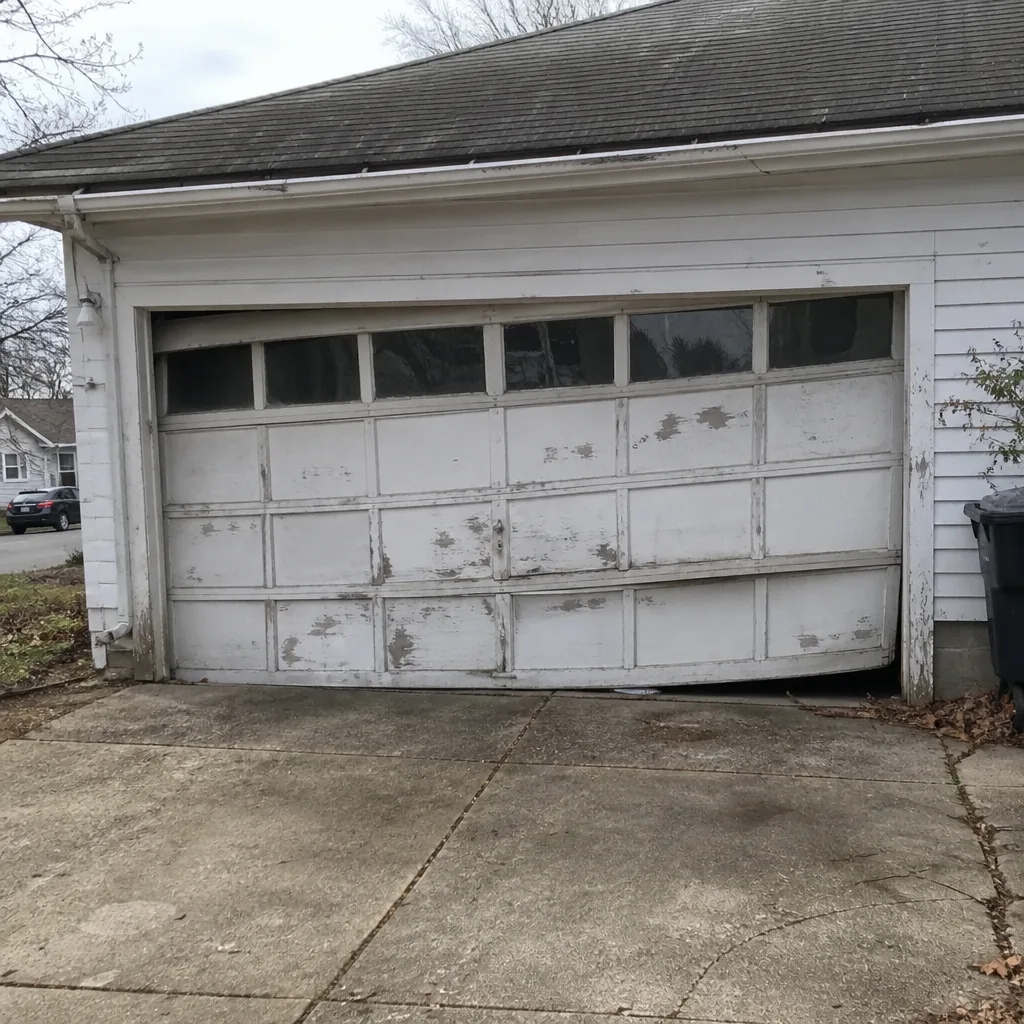 Before
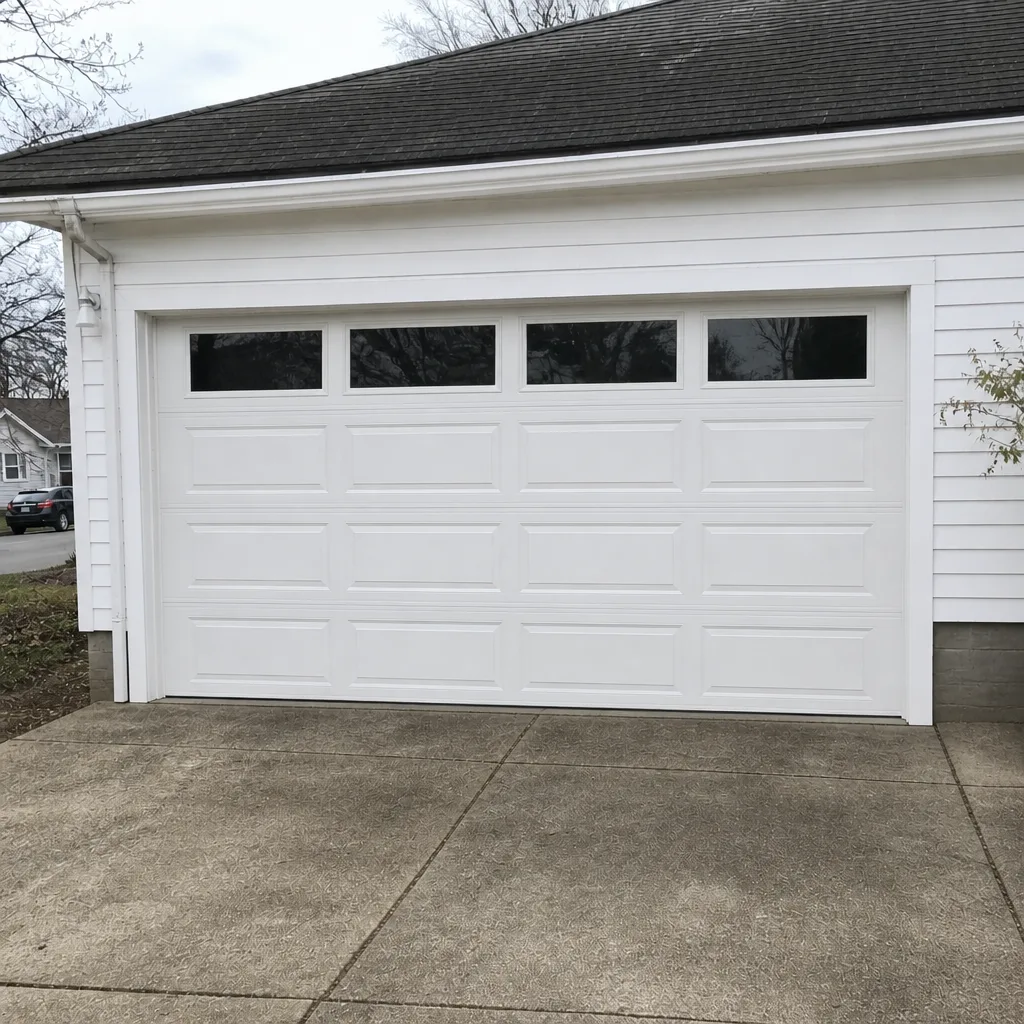 After
When to Call a Professional
Call when you hear a loud pop and the door goes slack, when you see a gap in the spring, when a cable is hanging loose, or when the door won’t stay up without your help. Call when the door reverses on objects or people, or when it won’t reverse at all. Call when a balance problem or a grinding noise has gone on long enough that the opener is clearly straining, or when you’ve replaced the opener and the door still fights you. Call when you’re not sure; that’s a good reason too. We’re Eastwood Garage Door Service, and our technicians have up to 11 years of experience across LiftMaster, Chamberlain, Genie, Clopay, Amarr, Wayne Dalton, Craftsman, and Raynor systems. Eastwood Garage Door Service offers free estimates in Providence – call (855) 613-2822.
Frequently Asked Questions
The most common warning signs are grinding or scraping noises, slow or uneven travel, a door that reverses before closing, and visible spring or cable damage. In Providence’s older homes, these often get dismissed as normal wear because the door has made the same sound for years. New or worsening noise is the one to act on first. Call (855) 613-2822 for an exact quote; estimates are free.
Pull the manual release cord and lift the door by hand. If it moves easily and stays up, the door is balanced and the opener is the likely culprit. If it feels heavy or won’t stay up, the door has a mechanical problem. That distinction saves time and money. Call (855) 613-2822 for an exact quote; estimates are free.
A loud pop followed by the door going slack or feeling very heavy usually means a spring failure, and that’s a stop-use situation. Don’t try to lift the door or test the spring by hand; a broken spring and its cable can snap with force. Close it if it’s safe to do so, leave it, and call. We answer 24/7. A call outside dispatch hours is booked into the next opening, Sunday through Friday, 7am to 7pm.
It depends on the pattern. Grinding that’s steady but doesn’t affect how the door moves is usually a worn bearing, roller, or a dry spot, and you can schedule service soon. If the door hesitates, slows, or strains at the same time, stop using it and get it looked at sooner. Call (855) 613-2822 for an exact quote; estimates are free.
Repair cost depends on what’s failing and how many parts are involved, and you’ll get an exact figure from a written estimate, with the price quoted and agreed before any work starts. Small adjustments and sensor issues are on the lower end; spring, cable, and opener work is higher. We give free estimates so you can decide before committing. Call (855) 613-2822 for an exact quote; estimates are free.
The most common cause is a misaligned or dirty safety sensor at the bottom of the door tracks, and it’s often a quick adjustment. Less often, it’s a track, roller, or force-limit problem. It’s worth checking the sensors first, then calling if the reversal continues. Call (855) 613-2822 for an exact quote; estimates are free.
The Bottom Line
Your garage door is telling you about problems before they happen, but only if you read the signal correctly. Grinding, scraping, and popping are different sounds with different causes. Slow, uneven, and reversing doors point to different systems. A quick manual-release test tells you whether you’re dealing with the door or the opener. And a few things, like a broken spring, a hanging cable, or a door that won’t stay up, are reasons to stop using the door and call right away rather than schedule it. Everything else gets easier once you know what you’re looking at, and a trained technician can sort out the rest. Our technicians have up to 11 years of experience, across doors and openers alike. Call (855) 613-2822. We answer 24/7. Fast dispatch, 7am-7pm, Sunday through Friday.
Written by the team at Eastwood Garage Door Service.