
Last updated November 15, 2026
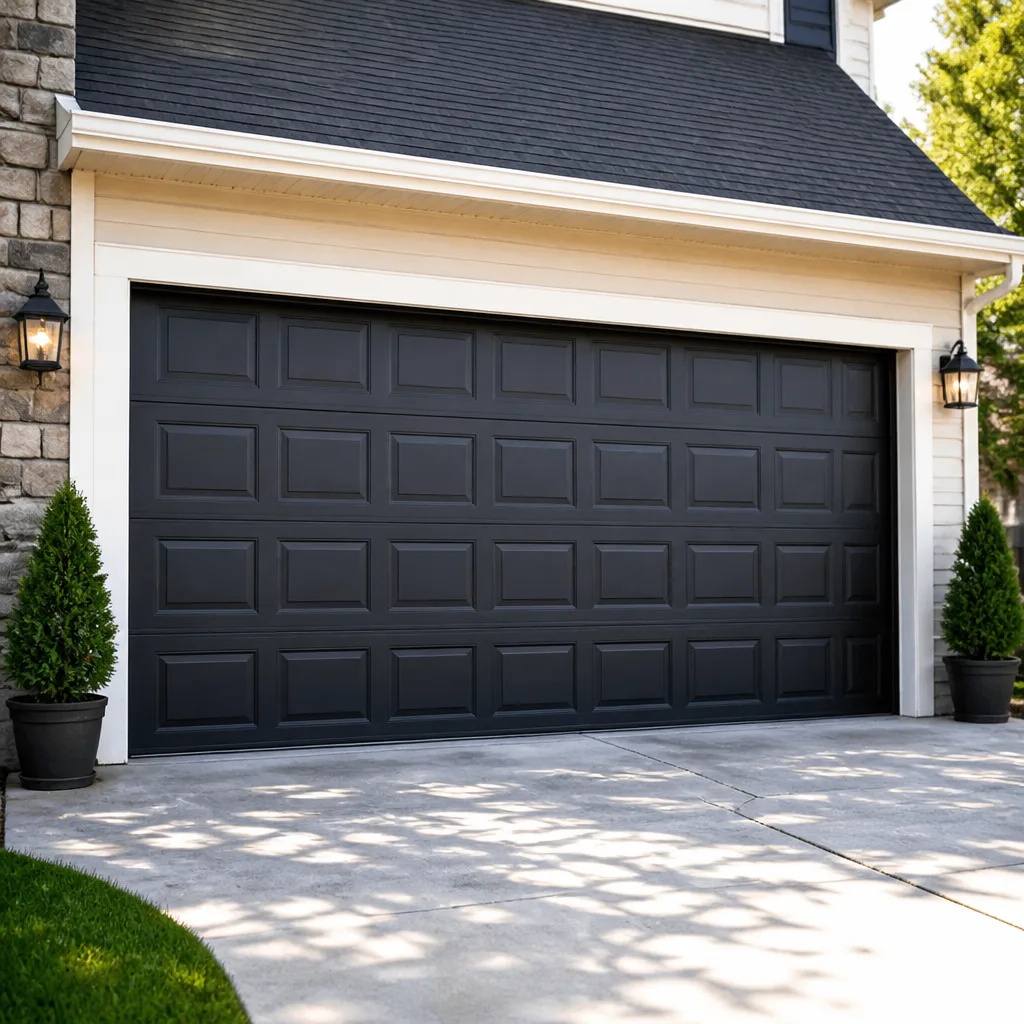 Raised-panel steel
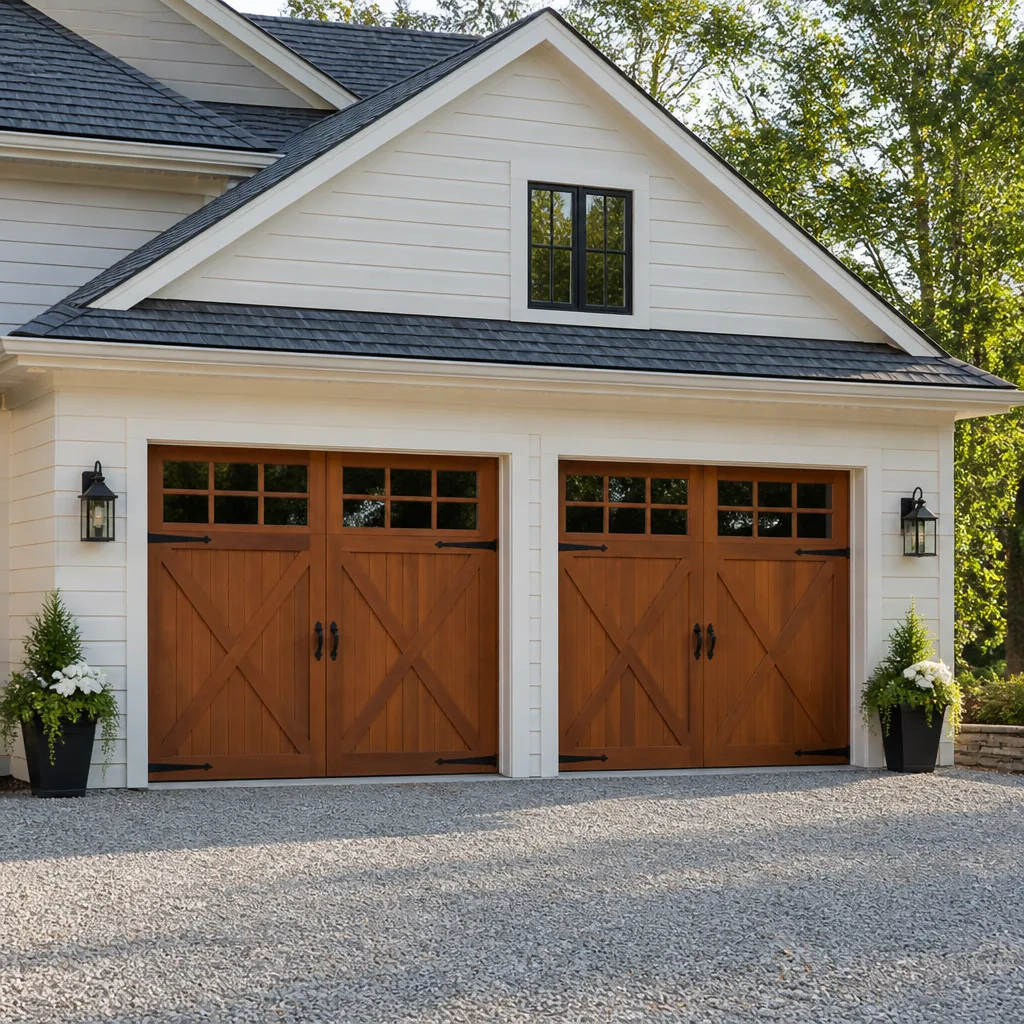 Carriage house
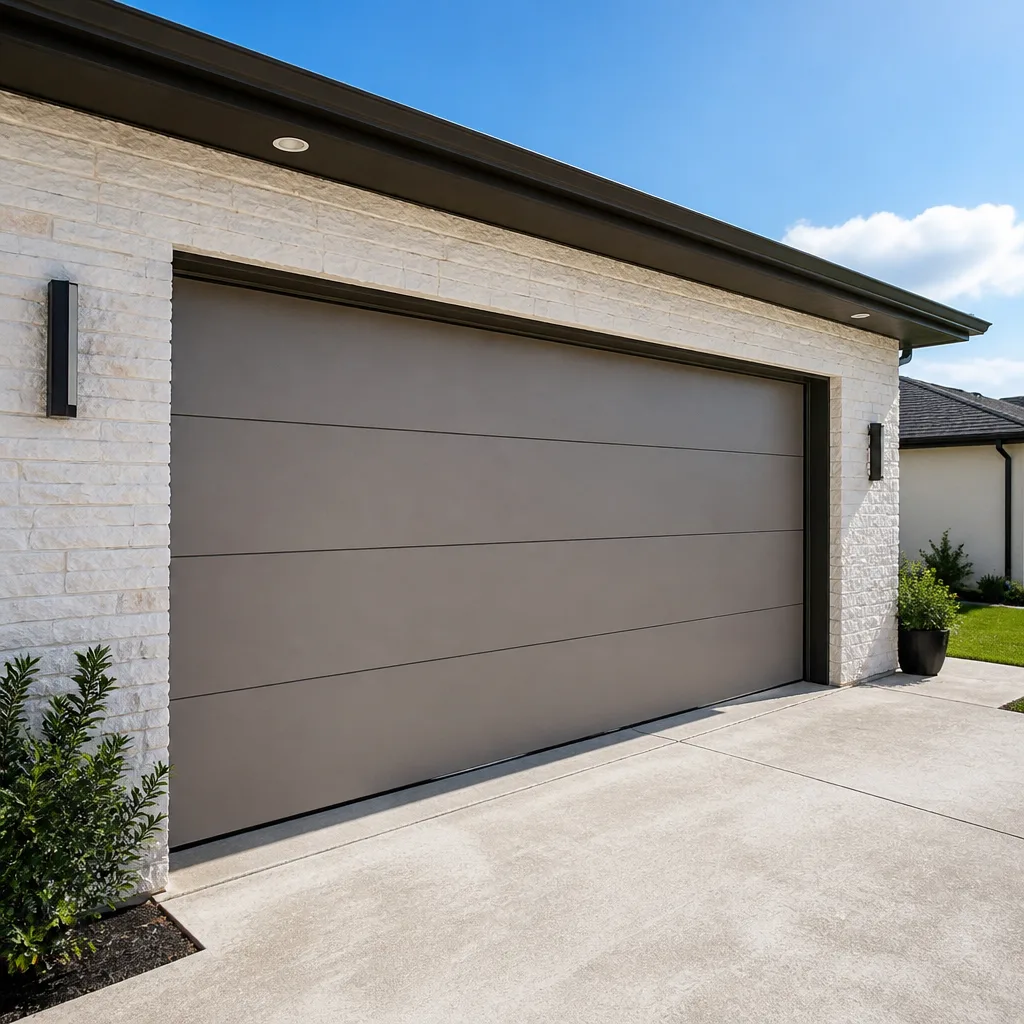 Modern flush
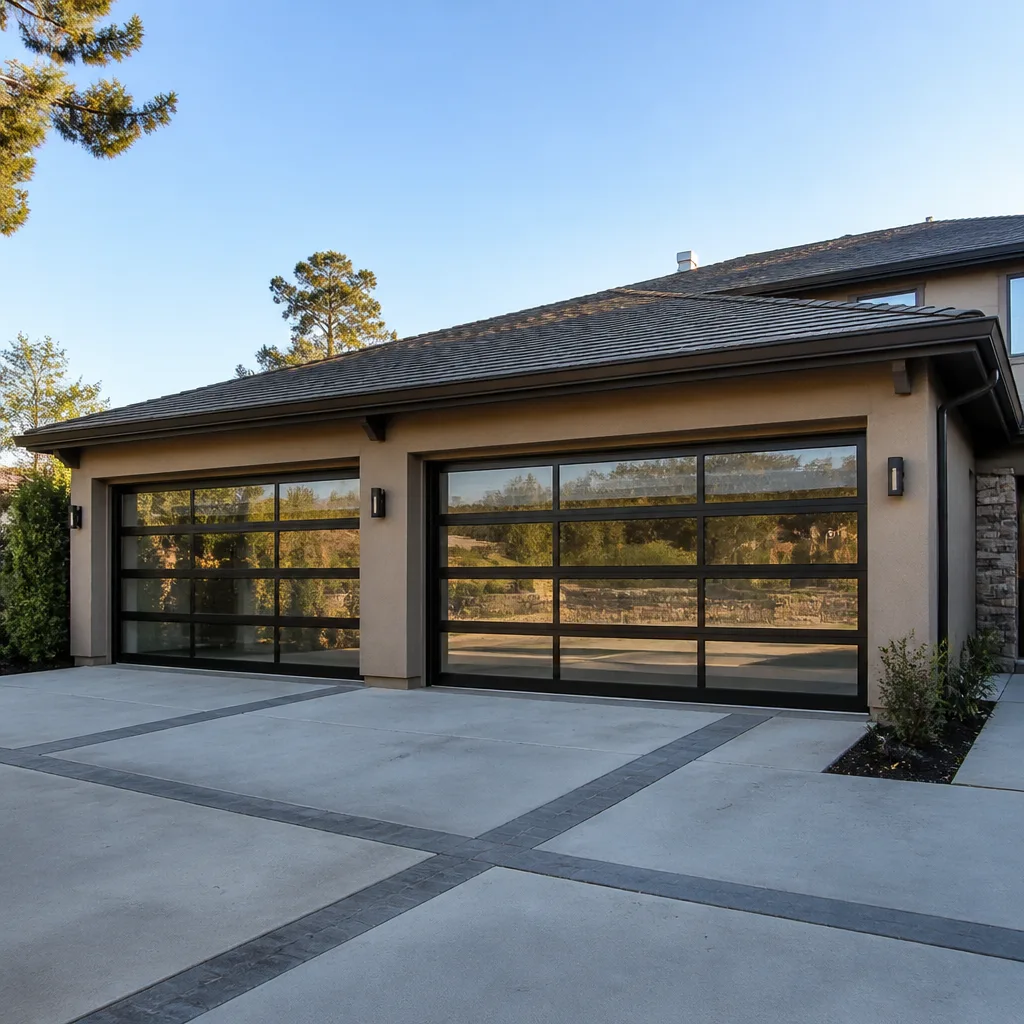 Full-view glass
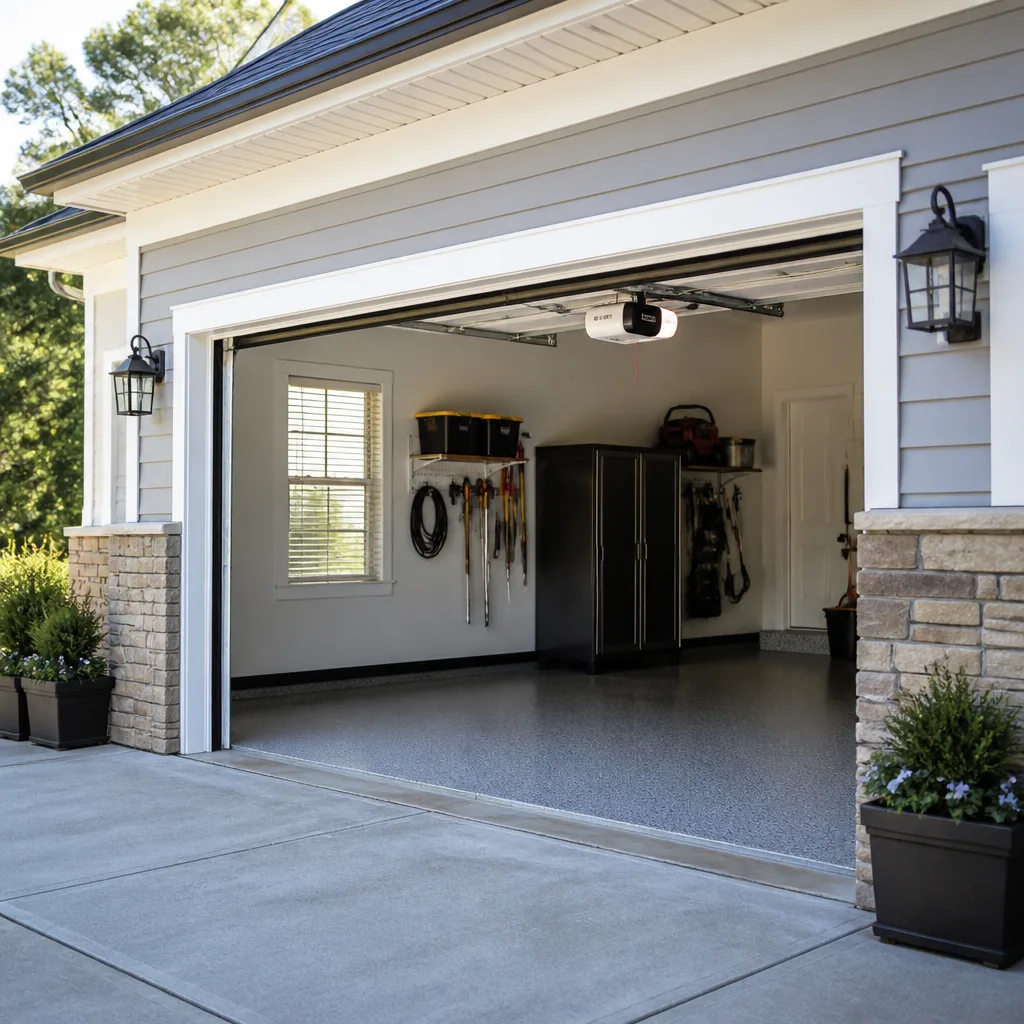 LiftMaster openers
 Chamberlain openers
Full 25-point door and opener safety check with every visit - springs, cables, rollers, tracks, and your LiftMaster or Chamberlain opener included
You get a price before we start. It does not change when the pro arrives.
Get your free estimateGarage Door Permits, Codes & Inspections in Providence, RI: What You Need to Know
Most Providence homeowners assume a garage door permit is something that only matters when you build an addition or finish a basement. That assumption is exactly how people get into trouble. A full door replacement, a new opening cut into a wall, even a structural change to the header above the door can cross the line into permitted work, and the paperwork doesn’t catch up until a home sale, an insurance claim, or an appraisal forces it. By then the installer is gone and the gap is yours to close. This guide walks through when Providence requires a permit, how the filing actually works, what an inspector looks at, and how neighborhood architectural review stacks on top of state code. We’ll keep it practical, because that’s the only version that helps.
Quick Answer
In Providence, RI, a garage door replacement, a new door opening, or any change to the structural header above the door typically requires a building permit filed with the city’s building department before work begins. Routine repair, like replacing springs, cables, rollers, or an opener motor in the existing door, generally does not. The permit triggers on the structural and code-compliance work, not on the maintenance side. When in doubt, the fastest answer comes from calling the Providence building department directly with your address and the scope of the job. It’s a five-minute call that can save you a real headache later.
Styles & brands we work with
- Raised-panel steel
- Carriage house
- Modern flush
- Full-view glass
- LiftMaster openers
- Chamberlain openers
Table of Contents
- Repair vs. Replacement: What Actually Triggers a Permit
- How the Providence Filing Process Works
- What the Inspector Is Actually Looking For
- How Unpermitted Work Affects Insurance and Title
- HOA and Architectural Review Overlay
- Rhode Island Weather and the Code Behind It
- How to Spot Unpermitted Work Before You Buy
- Who Files the Permit: You or the Contractor
Repair vs. Replacement: What Actually Triggers a Permit
The clearest way to think about it is this: if you’re restoring the door to the way it was engineered, you’re repairing. If you’re changing the opening, the structure around it, or installing an entirely new door into a modified opening, you’re in permitted territory. The line isn’t about cost. A $400 spring replacement on a Wayne Dalton door doesn’t need a permit. A $2,200 full door swap on the same opening usually does.
Here’s how the split usually breaks down in Providence:
- No permit typically needed: spring and cable replacement, roller and hinge swap, opener motor or logic board replacement, safety sensor adjustment, track realignment, weatherstripping.
- Permit typically required: full door replacement when the new door is a different weight class or model that changes the load on the header, new opening cut into a wall, widening an existing opening, replacing a structural header or jack stud, converting a manual door to an overhead opener when the framing must be modified.
- Gray area: same-size, same-weight door swap on an existing, unmodified opening. Some jurisdictions want a permit, some don’t. Providence is on the stricter end, and this is the exact case where a call to the building department is worth making.
The reason replacement crosses the line is that the garage door opening is part of the building’s structural envelope. The header above the door carries load, the jack studs on each side transfer that load down, and a heavier door puts more stress on both. When you swap a light steel door for a heavier insulated one, or a sectional for a carriage-style door, that load calculation changes. The permit exists to make sure someone with a license looks at it before the tracks go in.
If you’re not sure which side of the line your job falls on, our team can walk through the scope with you during a free estimate. We’ve seen the filing scenarios come up often enough on garage door repair jobs across Providence that we can tell you in a few minutes whether you’re looking at a permit or plain maintenance.
How the Providence Filing Process Works
The permit gets filed by whoever is pulling it. That’s usually the contractor performing the work, but a homeowner is legally allowed to pull their own permit as an owner-builder. Pulling your own only makes sense if you’re doing the labor yourself, which for garage door replacement we don’t recommend. Springs, cables, and the structural installation of a door are genuinely dangerous work. So in practice, the licensed installer files it, you sign, and the city reviews.
Here’s the realistic sequence in Providence:
- Scope and address are confirmed. The permit application needs the property address, the scope of work, and the value of the job. You don’t need architectural drawings for a same-opening door replacement in most cases, but you do need to describe the work accurately.
- The application is submitted to the city’s building department. The contractor typically handles this, either at the counter or through the city’s online portal, depending on what’s currently in place.
- The review happens. A simple door replacement review is usually a matter of business days, not weeks. Anything that touches structural framing or a new opening will take longer because a plan reviewer has to look at the load path.
- The permit is issued. Work can begin. The permit card gets posted on site if the work isn’t visible from the street.
- The inspection is scheduled. After the door is installed and the opener is operational, the contractor schedules a final inspection. The inspector arrives, checks the work, and either signs off or writes corrections.
- Close-out. Once the inspection passes, the permit is closed and the record lives with the property file at the city.
Timelines vary based on the season and the current backlog at the building department, so treat this as a general pattern rather than a promise. If you’re working against a real estate closing date, build in extra time. The single biggest scheduling mistake we see on Providence jobs is assuming the permit and inspection will happen in a couple of days when the review window is actually longer.
What the Inspector Is Actually Looking For
A garage door inspection isn’t a cosmetic walkthrough. It’s a safety and structural check, and the inspector has a specific list in mind. Understanding that list is the best way to make sure your installation is ready for it before the appointment.
Structural header load
The header above the door is the beam that carries the wall load across the opening. The inspector looks for correct sizing for the span, proper fastening, and confirmation that the door’s weight is transferred into the framing as designed. If a heavier door was installed on a header that wasn’t sized for it, or fasteners were undersized, that’s a correction. This is the single most common reason a garage door inspection fails in older Providence housing stock, particularly in the triple-deckers and pre-war single-families where the framing wasn’t designed with a modern insulated door in mind.
Weather sealing
Rhode Island’s climate is the reason weather sealing is a code concern and not just a comfort preference. The inspector checks that the door closes against a proper bottom seal, that the perimeter weatherstripping is in place, and that the door sits plumb enough to seal without gaps. A door that seals poorly lets in moisture, which is exactly what the code is written against in this climate.
Opener safety compliance
The opener must have functioning safety reversal (the door reverses when it meets an obstruction) and functioning photo-eye sensors at the bottom of the tracks. The inspector will test both. If you’ve installed a LiftMaster or Chamberlain opener with smart features, don’t assume the sensors were aligned correctly as part of the setup. They’re often the last thing installed and the first thing to drift.
Balance and manual release
The door must operate smoothly under manual control, which means a properly tensioned spring system and a working manual release. A door that’s out of balance will fail this check even if it closes fine with the opener.
Electrical (if applicable)
If the installer added a new circuit or outlet for the opener, the electrical portion gets inspected as part of the same permit or a separate one, depending on how the job was filed. This is one of those details that falls through the cracks when the permit wasn’t pulled at all.
How Unpermitted Work Affects Insurance and Title
Here’s where the permit question suddenly gets very real. When a garage door is installed without a permit and the work was supposed to have one, the consequences surface in three places.
Homeowner’s insurance. Carriers ask about improvements and ask whether permits were obtained. If a claim involves the door or the structure around it, and the carrier discovers the install was unpermitted, the claim can be reduced or denied on the grounds that the work wasn’t compliant. We’ve heard from enough homeowners during estimate conversations to know this isn’t a rare edge case. It comes up.
Title and disclosure. Rhode Island requires sellers to disclose known defects and unpermitted work. A door that was replaced without a permit is a material fact if the seller knew. That means either disclosing it and accepting the negotiation hit, or getting caught later.
Home sale inspection. This is the loudest one. A buyer’s inspector looks at the garage door assembly, checks for permit records on the property file, and flags anything that was clearly changed without documentation. The buyer then asks for a price reduction or asks the seller to pull a retroactive permit and have the work inspected. Either way, the cost lands on the seller, often years after the installation.
If you’re currently in a Providence home where a door was installed unpermitted, the path forward is to contact the building department and ask about retroactive permitting. It’s a real process, and it’s almost always less painful than dealing with it at closing.
HOA and Architectural Review Overlay
State code is the floor. In some Providence neighborhoods, a homeowners association or historic architectural review adds a layer above it. This is particularly true in the historic districts and in newer planned communities where exterior changes are governed by design guidelines.
What that means in practice:
- Materials and color. Some associations approve only certain door styles or colors. A Raynor or Craftsman door that fits your home beautifully may not be approved if the color isn’t in the association’s palette.
- Window patterns and trim. Many historic districts want the door to visually match what would’ve been on the home originally. Carriage-style doors sometimes pass where embossed raised-panel doors don’t.
- Submission timing. Architectural review can take weeks, sometimes longer than the permit itself. If you’re planning a door replacement, start the HOA submission before you order the door.
Always check your HOA guidelines and any historic district rules before you order the door. If we’re doing an installation in a Providence neighborhood where architectural review applies, we’ll coordinate around that approval timeline so you’re not sitting on a door that can’t go up yet.
Rhode Island Weather and the Code Behind It
Rhode Island’s freeze-thaw cycles are the reason a garage door in Providence has to be treated as a weather barrier and not just a big moving panel. The code thresholds that seem fussy in a warm climate are functionally necessary here. A door that doesn’t seal correctly lets in moisture, moisture migrates into the framing around the opening, and the freeze cycles crack the seals and start to work at the wood. That’s the path to a rotted header, and a rotted header is a permit-level repair.
The climate also matters for the door’s own mechanics. Cold contracts metal, and a door that operates smoothly in October can bind in January if the tracks weren’t installed with proper clearance. Insulated doors matter more here than in warmer markets for reasons that go beyond the building code – an uninsulated door bleeds heat out of the garage every winter and pulls the adjacent room down with it. When we recommend a door in Providence, we lean toward insulated builds for that reason, not just the code envelope.
One structural reality of older Providence housing: many garages attached to pre-war homes were framed before modern door weights were common. That doesn’t mean a modern door can’t go in. It means the header has to be evaluated, and that evaluation has to be documented as part of the permit. Skipping that step is the shortcut that shows up in an inspection years later.
How to Spot Unpermitted Work Before You Buy
Buying a home in Providence and wondering whether the garage door was done properly? There are specific things to look for, and they don’t require a contractor’s license to spot.
- Request the permit history from the city. The building department can pull the property file. If a door replacement shows up as unpermitted, you’ll see it here.
- Look for the inspection sticker or permit card. In some cases the card is posted in the garage and left behind after the inspection passed.
- Check the opener’s install characteristics. A sloppy opener install – sensors sitting crooked, wiring running exposed across the ceiling, a motor mounted to a brace that isn’t fastened into framing – is a tell that the whole job may have been DIY.
- Inspect the header for evidence of change. If the framing above the door doesn’t match the framing elsewhere in the garage, or if you see fresh framing lumber where the rest is old, ask why.
- Ask the seller directly. “Was a permit pulled for the garage door replacement?” is a legitimate question and should come up in a disclosure.
If you’ve already bought a home and only later discovered the issue, it’s fixable. The building department can tell you what a retroactive permit would require. In many cases it’s an inspection and a small amount of corrective work.
Who Files the Permit: You or the Contractor
The default in Providence is that the licensed contractor pulls the permit. If the contractor is performing the installation, they’re the one who knows the scope, the structural implications, and the inspection timeline. The permit application gets submitted under their license, and the inspection is scheduled by them. You’re a party to the process, but they do the paperwork.
You can pull an owner-builder permit if you’re performing the work yourself, but that comes with real risk on this specific job. A garage door replacement under load – springs under tension, track re-alignment, header modification – is a trade where a mistake can send a homeowner to the emergency room. Our technicians have up to 11 years of experience and we still work in pairs on installations. The permit side isn’t the reason to hire a professional; the injury side is.
What you should do either way: verify that the contractor pulls the permit before the first panel comes off the wall. If a contractor tells you the door doesn’t need a permit when it clearly does, that’s a warning about how the rest of the job will go too.
Common Mistakes to Avoid
- Assuming repair and replacement are the same thing. They’re not, and the permit line runs between them. A full door replacement is not maintenance, even if it feels like maintenance.
- Letting the contractor talk you out of the permit to save time. A contractor who skips the permit is transferring the risk to you. The paperwork cost is small compared to a title issue at closing.
- Forgetting the HOA submission. Approval can take longer than the permit. Order the door only after you’ve submitted for architectural review, not before.
- Not verifying the opener’s safety compliance before the inspection. The inspector is going to test the reversal and the photo-eyes. If they’re not set correctly, you get a correction notice and another appointment.
- Skipping the load check when upgrading door weight. Swapping a light steel door for a heavier insulated door without evaluating the header is the most common structural correction we see in older Providence garages.
- Assuming the previous owner’s work was permitted. Always pull the property permit history before you buy. It’s the single best way to spot this specific problem.
- Not budgeting time for the review window. The permit review and the inspection are two separate steps, and both take real time. Build the schedule around them.
See the difference
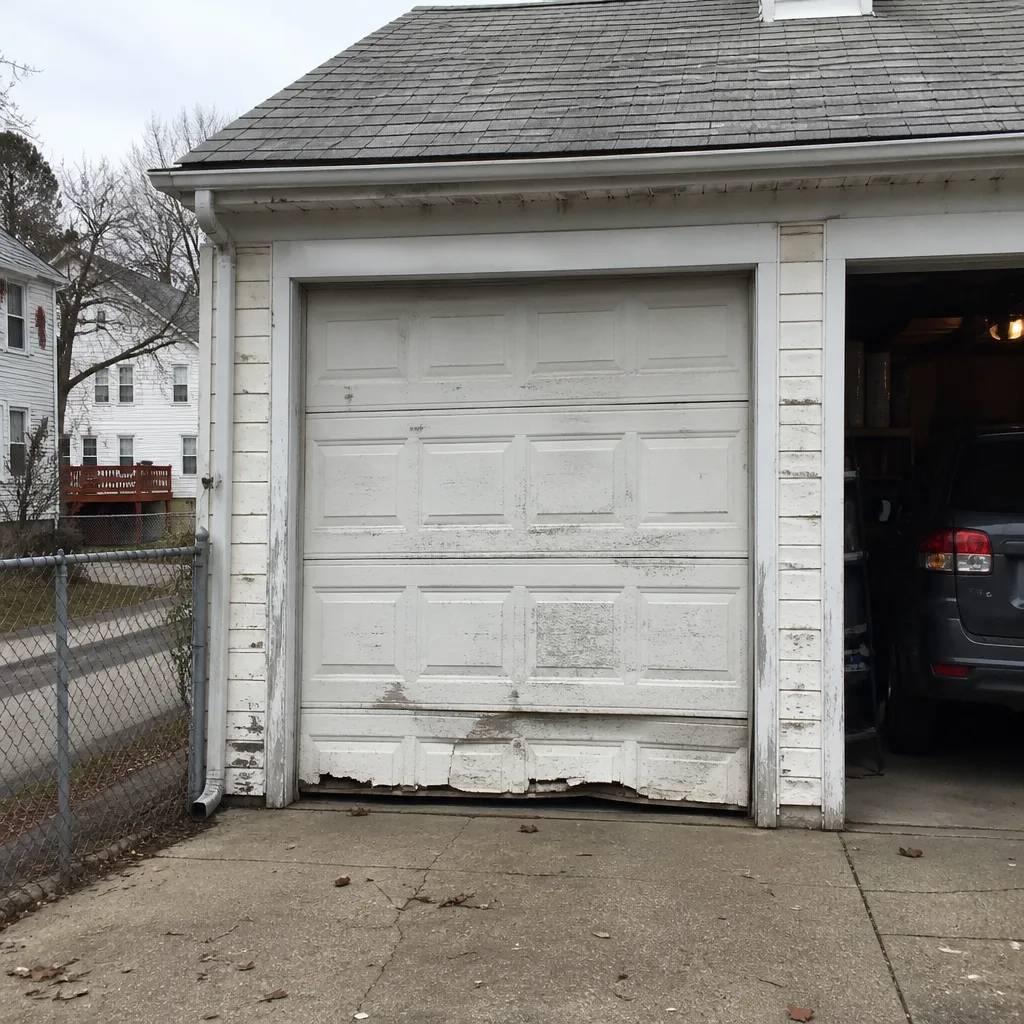 Before
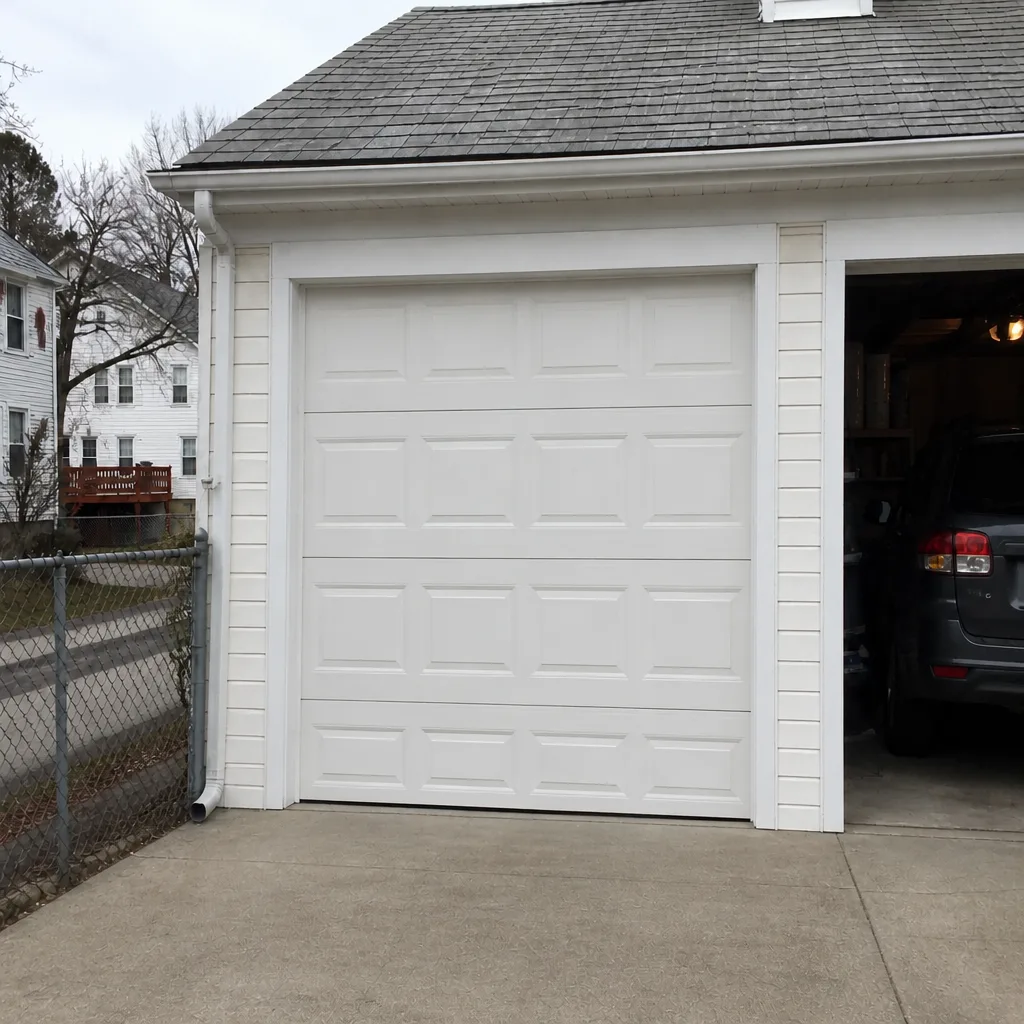 After
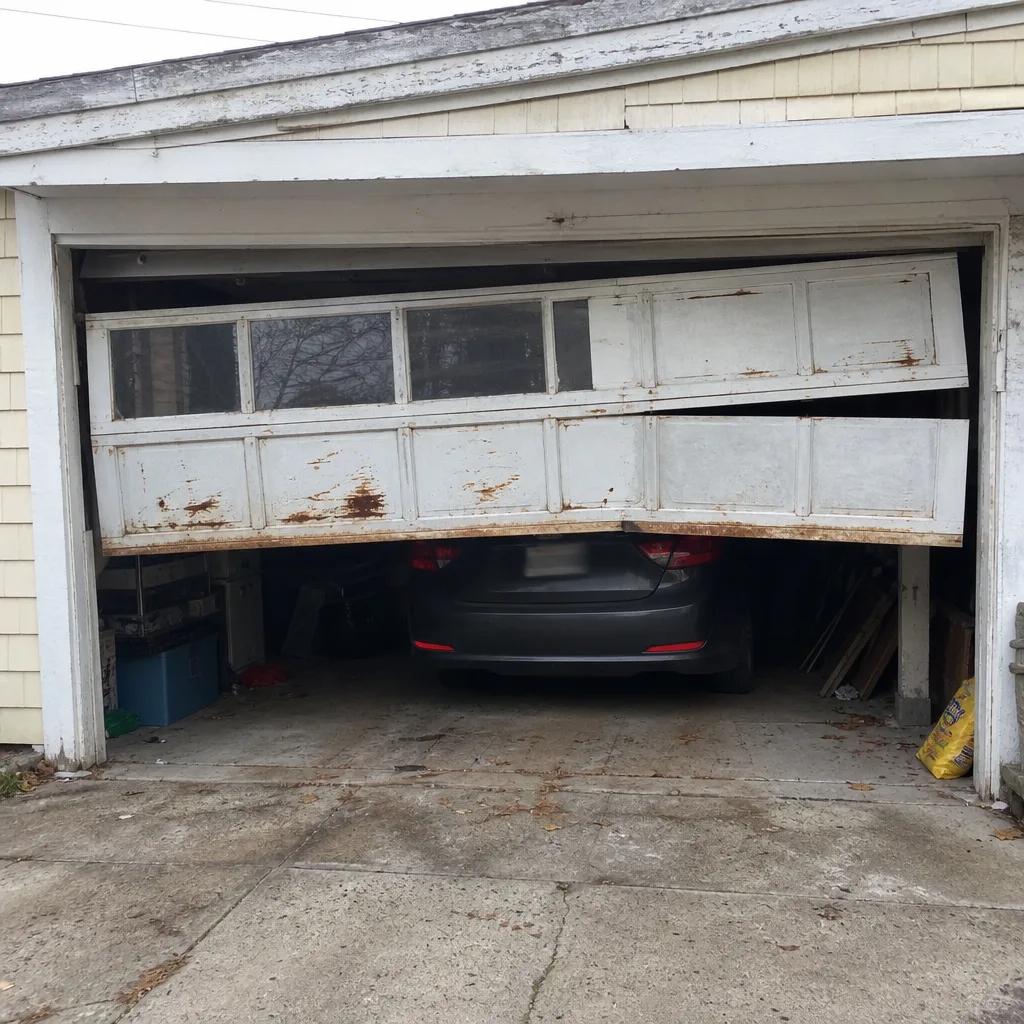 Before
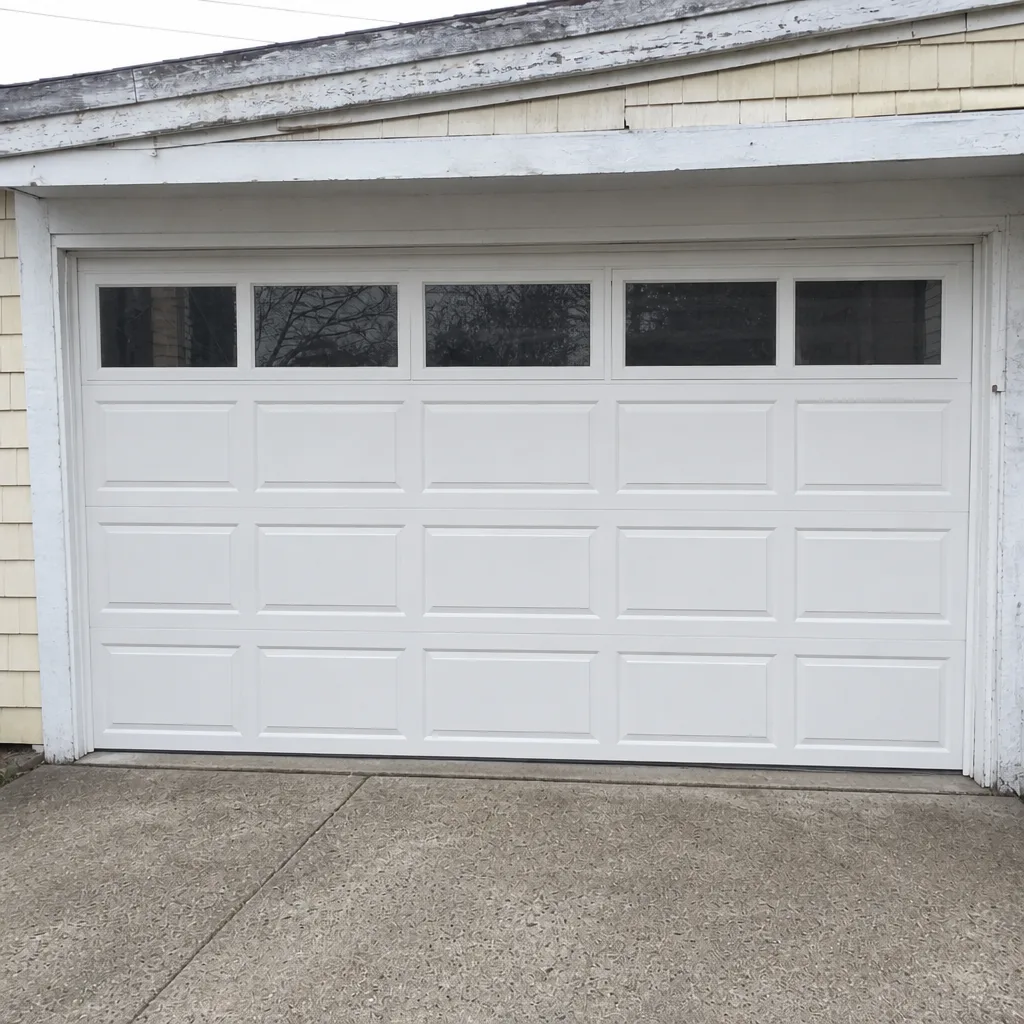 After
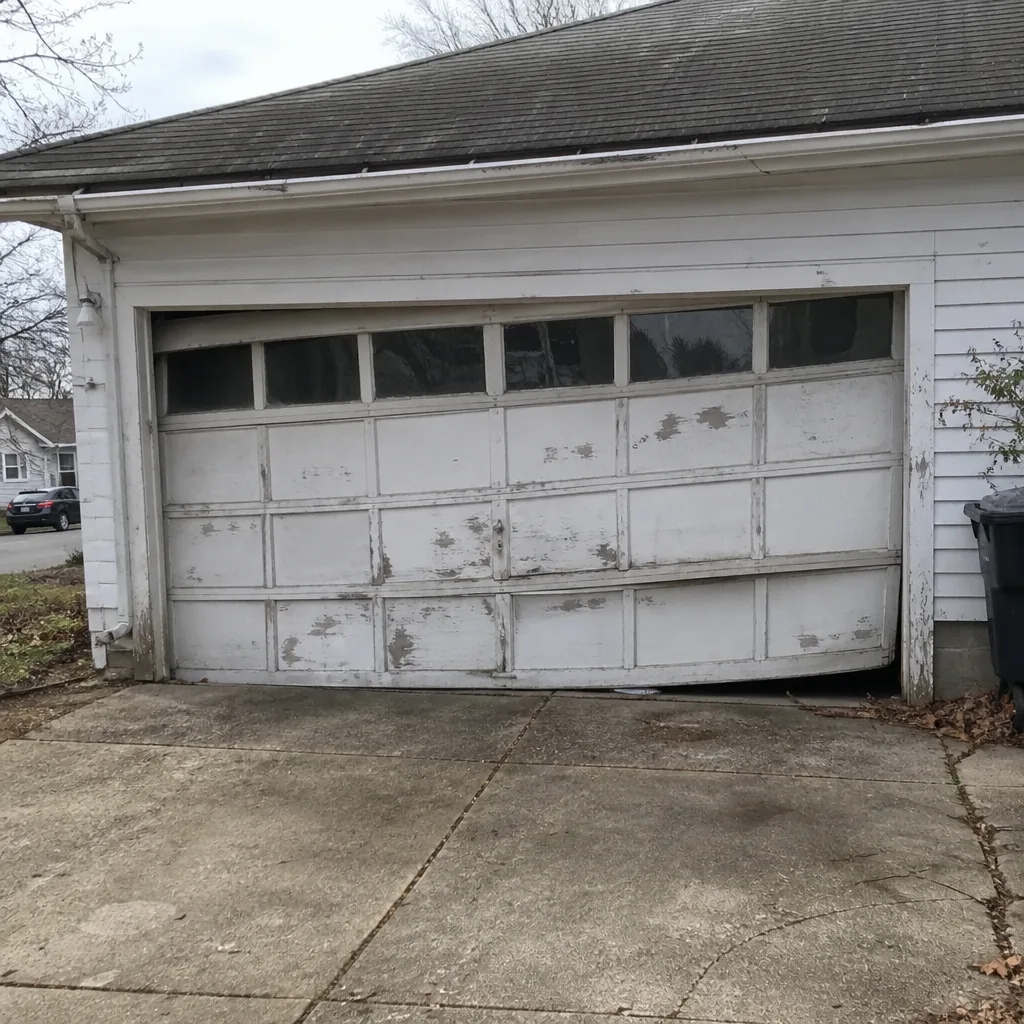 Before
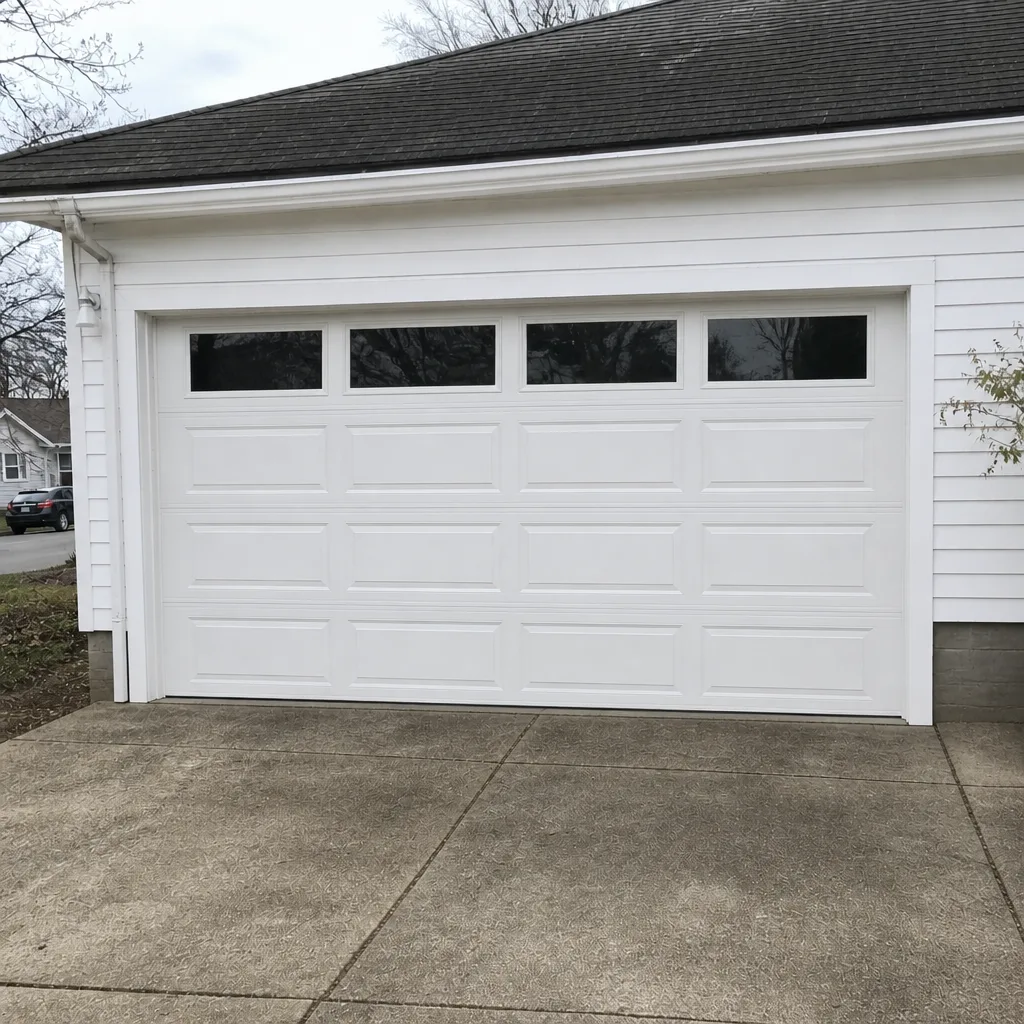 After
When to Call a Professional
Pull us in when the scope of work crosses from “replacing parts” into “installing, modifying, or structurally touching the door and opening.” That includes any full door replacement, any new opening, any header work, any opener install that requires a new circuit, and any retrofit into an older garage where the framing is suspect. It also includes the moment when an unpermitted installation is discovered – we can help you scope what a retroactive inspection and corrective work will look like.
Springs, cables, and the header above the door are genuinely dangerous. A high-tension spring at rest is holding a load measured in hundreds of pounds, and a release of that energy under the wrong conditions causes devastating injuries. We tell every homeowner the same thing: leave the tension system and the header work to trained technicians, no matter how simple the videos online look.
Eastwood Garage Door Service offers free estimates in Providence. If you’re deciding between repair, replacement, or a permitted installation, a quick conversation on scope will clarify which one you’re actually in. Our team handles both garage door repair and garage door opener repair under one roof, so you don’t get bounced between specialists when the diagnosis touches both. Call (855) 613-2822 for a free estimate. We answer 24/7. Fast dispatch from 7am to 7pm, Sunday through Friday.
Frequently Asked Questions
Usually yes. A full garage door replacement – as opposed to a repair of existing components – typically requires a building permit in Providence, especially when the new door’s weight or style differs from the existing one. The permit covers the structural load on the header and the code compliance of the door installation. Simple part replacements like springs, cables, rollers, or an opener motor do not require a permit. When you’re unsure which side of the line your job falls on, call the Providence building department with your address and the specific scope. Call (855) 613-2822 if you’d like us to walk through the scope with you – estimates are free.
Most straightforward door replacement permits are issued within a matter of business days, though the timeline depends on current review volume at the building department and whether the work touches structural framing. Anything that involves a new opening or a header modification takes longer because a plan reviewer has to evaluate the structural change. The inspection itself is typically scheduled a few days after the installation is finished. Build the timeline into your renovation schedule and don’t assume same-week turnarounds on the permit side. For a scoping conversation on the front end, call (855) 613-2822 – estimates are free.
The unpermitted installation becomes a title and insurance concern for the current owner. When you sell the home, the buyer’s inspector may flag the missing permit from the property file, and the buyer can ask you to pull a retroactive permit and get the work inspected before closing. It’s fixable: contact the Providence building department, ask about retroactive permitting, and have the corrective work done by a licensed contractor. It’s almost always less expensive to resolve before a sale than during one. Call (855) 613-2822 to scope the corrective work – estimates are free.
The inspector verifies structural header load, weather sealing around the door perimeter, opener safety compliance (reversal and photo-eye sensors), manual release operation, and door balance under manual control. If the installation added electrical work, that portion gets checked under the same permit or a separate one. The inspection is a safety and structural check, not a cosmetic one, so unless everything is aligned and the safety systems test clean, you’ll get a correction notice. We schedule our installations with the inspection in mind so the pass happens the first time. Call (855) 613-2822 – estimates are free.
Some do, and in historic districts there may be a separate architectural review overlay. Association guidelines typically control door style, color, and window pattern, and the approval can take longer than the permit. Check with your HOA board and any historic district authority before you order the door. On a recent garage door opener repair visit we ran into this with a homeowner who’d already ordered a Raynor door that the association ultimately rejected. The cost of waiting for review is small compared to the cost of re-ordering.
No. Our estimates are written before any work starts, and the written estimate is the price. If we open up the wall or pull the old door off and discover something that changes the scope – a rotted header, misaligned tracks, a framing issue the permit scope didn’t anticipate – we stop and talk with you before proceeding. Nothing gets added to the invoice without your approval of a revised written estimate. That’s how the process works whether you’re in Providence or anywhere else we work. Call (855) 613-2822 for a free estimate on Eastwood Garage Door Service work.
The Bottom Line
If you’re replacing a garage door, cutting a new opening, or changing the structural header above the door in Providence, get the permit. The paperwork is small; the consequences of skipping it – insurance claim problems, title disclosure issues, inspection failures at sale – are not. Repair of components like springs, cables, rollers, or an opener motor usually doesn’t trigger the permit, but verify before assuming. Pull the property permit history before buying a home, and check HOA and historic district rules before ordering the door. Two phone calls, one to the building department and one to the contractor, save all the downstream headaches.
Contact
If you’re planning a garage door installation in Providence and want help scoping the permit question alongside the work itself, call Eastwood Garage Door Service at (855) 613-2822 for a free estimate. We’ve seen every filing scenario, we work on the brands you already have – from LiftMaster openers to Wayne Dalton and Raynor doors – and we treat the permit as part of the job, not as an optional extra. We answer 24/7. Fast dispatch from 7am to 7pm, Sunday through Friday. Learn more about how we handle garage door repair and installation throughout Providence.
Written by the team at Eastwood Garage Door Service.